What Scranton Buyers Notice Before Their Agent Even Says a Word

You cleaned the grout. You staged the living room. You even replaced the light fixtures. But if your plumbing is sending off quiet warning signals, none of that matters as much as you think.
Here's the thing about selling a home in Scranton: buyers aren't just looking at what the inspector flags. They're watching everything. And when a buyer—or their agent, or their uncle who "knows a little about houses"—spots certain plumbing details during a walkthrough, the mental math shifts immediately. Suddenly your asking price feels less like a fair deal and more like a risk.
These aren't always the dramatic problems. It's not always a burst pipe or a flooded basement. Sometimes it's subtler than that. And subtle, in real estate, can cost you just as much.
Mismatched Pipe Materials: A Story Nobody Wants to Read
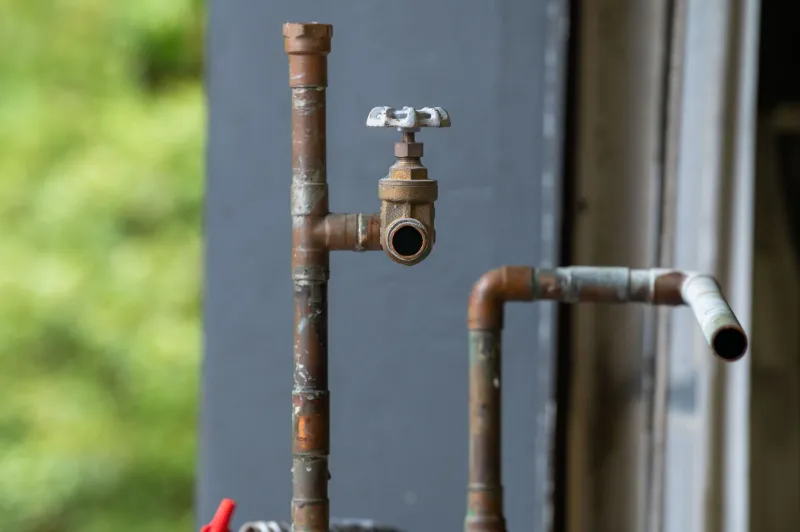
If your home has had any plumbing work done over the decades—and in Scranton, most homes have—there's a decent chance different generations of repair have left behind a patchwork of pipe materials. Galvanized steel from the 1950s. Copper from a mid-90s update. PVC from a quick fix someone did themselves a few years back. CPVC somewhere in the middle.
Each of those materials isn't necessarily a problem on its own. But together, in a haphazard combination, they tell a story. That story is: this house has been worked on by a lot of different people, under a lot of different circumstances, and nobody was thinking about the big picture.
Experienced buyers and their agents know how to read that story. And it raises questions they can't always get answered: Were those transitions done correctly? Are there connection points where corrosion is already forming? Is there a permit for any of this?
If there's no clean answer, that uncertainty gets priced in—against you.
Signs of Amateur Repairs: They're More Obvious Than You Think
DIY plumbing repairs aren't inherently disqualifying. But the evidence of amateur work has a way of standing out to anyone who knows what they're looking at.
Think about the stuff that gets noticed during a walkthrough: fittings that don't quite line up, supply lines wrapped in an excessive amount of plumber's tape, shutoff valves that were clearly replaced by someone who watched a YouTube tutorial and called it a day. Drain lines with odd angles. A P-trap that's been reversed. Caulk applied where it doesn't belong—and missing where it absolutely should be.
None of these things automatically means the repair failed. But they signal that the work wasn't done by someone who does this professionally. And that raises a natural follow-up question in a buyer's mind: What else did this person fix?
That question is hard to shake. It follows the buyer from room to room. It shows up again when they're reviewing the inspection report. And it has a way of inflating every other concern on that list.
In Scranton, where a significant portion of the housing stock is older and has changed hands multiple times, this pattern comes up constantly. Sellers who've lived in a home for years often don't even realize the repairs they made—or that were made before they bought—look the way they do to someone coming in fresh.
Fixture Age Combinations That Suggest System Neglect
Here's one that surprises a lot of sellers: the age and condition of your fixtures, taken together, can communicate something about how the whole system has been maintained.
A brand-new faucet on a sink with clearly original 1970s supply lines reads as selective cosmetic updating—not real upkeep. A shiny new showerhead paired with a drain that's visibly corroded sends the same message. These combinations suggest someone was managing appearances rather than actually tending to the plumbing.
Buyers who are paying attention—and in this market, most of them are—pick up on this. It's not that they necessarily know what's wrong. It's that they sense something is off. The optics don't line up. And when optics don't line up, trust erodes.
The fix, if you're planning to sell, isn't necessarily replacing everything. It's making sure the story your plumbing tells is consistent. A plumber who can walk through your home before you list it can help you identify where the narrative breaks down and what's actually worth addressing versus what can be left alone.
Water Pressure That Quietly Says "Old Pipes"
Low water pressure during a walkthrough is one of those things buyers notice without necessarily saying anything. They turn on the faucet in the master bath. They flush the toilet and watch how fast the tank refills. They run the kitchen sink. And if something feels sluggish, the thought that forms isn't "I wonder what's causing that." It's "I wonder how bad this is."
In older Scranton neighborhoods—and there are plenty of them—low pressure is often a sign of mineral buildup inside aging pipes, partial blockages, or supply lines that are just past their prime. It's not always catastrophic. But it feels that way when you're already trying to decide whether to make an offer.
Having a plumber assess and address pressure issues before you list can make a real difference, not just in how the home feels during a showing, but in how confident buyers are that the system is functional.
The Basement Always Gives It Away
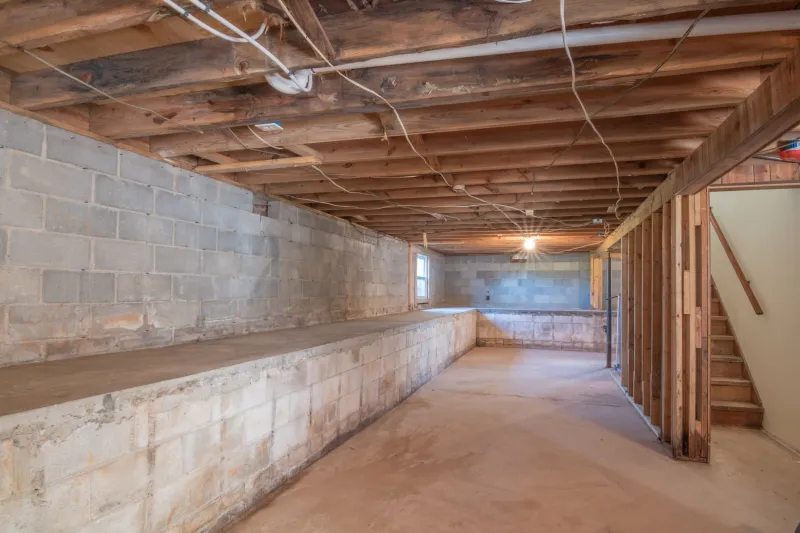
If there's one place in a Scranton home where plumbing secrets come to the surface, it's the basement. Exposed pipes. Evidence of past leaks—staining on concrete, rust rings, efflorescence on block walls. Old shutoff valves that look like they haven't been touched in thirty years. A sump pump that's been jury-rigged with whatever parts were available at the hardware store.
Buyers and inspectors both spend real time in basements. It's where the mechanical systems live, and it's where years of deferred maintenance tend to accumulate. A basement that looks like someone has been paying attention—where the plumbing is organized, where there's no obvious water history, where the sump pump looks like it's been serviced recently—communicates something important. It says this house has been cared for.
The opposite communicates the opposite.
Getting Ahead of It Before You List
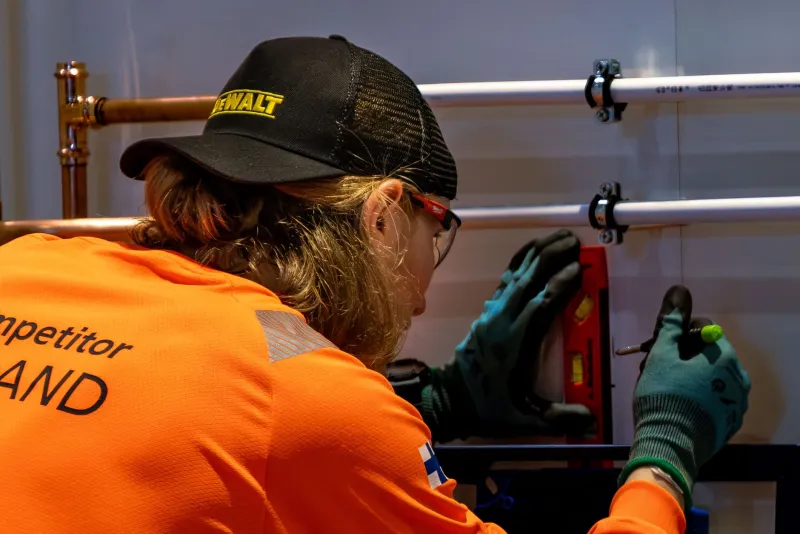
None of this is meant to be discouraging. The good news is that most of these issues are addressable before you ever put a sign in the yard. A pre-listing plumbing walkthrough with a licensed Scranton plumber isn't a huge investment, but it can meaningfully change what buyers see—and what they're willing to offer.
At Plumbers Scranton, we connect homeowners with experienced local contractors who understand what buyers in this market are looking for. Whether you're six months out from listing or going active next week, it's worth knowing what your plumbing is saying before someone else figures it out first.