Cast Iron Pipes in Scranton Homes: How to Tell If Yours Are About to Fail
If your Scranton home was built before 1980, there's a solid chance the drain lines running beneath your floors and behind your walls are made of cast iron. For decades, that was the material of choice — heavy, durable, built to last. And for a while, it did.
But here's the thing about cast iron: it doesn't fail all at once. It deteriorates slowly, from the inside out, in ways that are easy to miss until the damage is already serious. Homeowners in neighborhoods like South Side, Green Ridge, and the Hill Section are dealing with this right now — some of them without even realizing it.
Why Cast Iron Doesn't Last Forever
Cast iron pipes were commonly installed with a lifespan expectation of around 50 to 75 years. Do the math on a house built in 1955 or 1962, and you're already past that window. The pipes themselves may still be physically present, but what's happening on the inside is a different story.
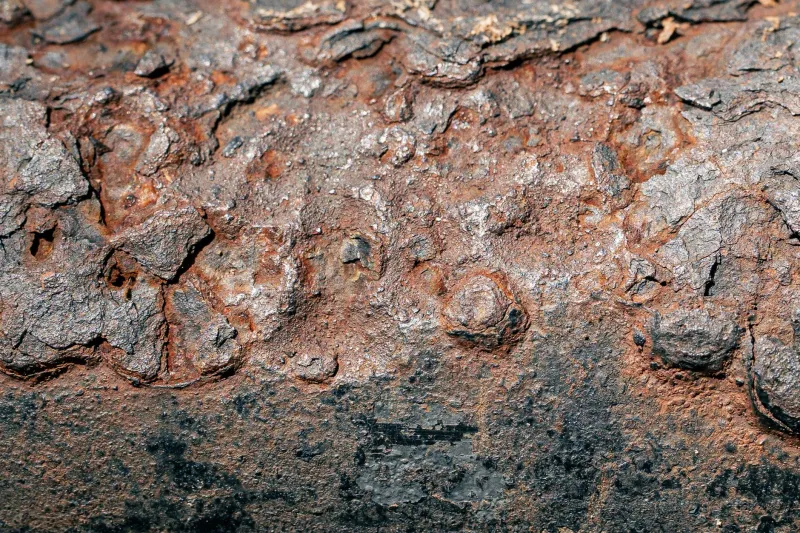
Over time, cast iron corrodes. The process is gradual — rust builds up on the interior walls, narrowing the pipe diameter and creating rough surfaces where debris, grease, and buildup love to cling. Eventually, sections of the pipe can crack, collapse, or develop holes that allow sewage to seep into the surrounding soil or, worse, your basement floor.
Scranton's climate makes this worse. Freeze-thaw cycles, seasonal ground movement, and the age of the city's overall infrastructure all add stress to pipes that are already past their prime.
The Warning Signs You Shouldn't Ignore
The tricky part about failing cast iron is that it rarely announces itself dramatically — at least not at first. Most homeowners get a series of smaller signals before the big problem hits. Here's what to pay attention to:
Orange or brown-tinted water. If you're filling a tub or running a sink and the water has a rust-colored tint, that's oxidized iron making its way into your water supply or drain system. It's not always a drinking water issue — sometimes it's the drain pipes themselves shedding rust — but either way, it's worth investigating.
Drains that are consistently slow. One slow drain might just be a clog. But if multiple drains in your home are sluggish — especially on the same floor or in the same area — that's a sign of a systemic issue further down the line. Corroded cast iron narrows the pathway for water to move through, and slow drainage is often the first symptom.
Sewage smells in the basement or lower floors. A faint but persistent odor of sewage, particularly in the basement, can indicate that a section of cast iron pipe has cracked or developed a pinhole leak. The smell isn't just unpleasant — it's a sign that raw sewage is making contact with your home's structure.
Wet spots or soft areas in the yard. If your main sewer line runs through your yard (which it almost certainly does), a failing section underground can cause the soil above it to become saturated. You might notice unusually lush or green patches of grass, or areas where the ground feels spongy underfoot.
Frequent backups. If you're calling a plumber every year or two to snake the same drain, you're treating symptoms rather than the cause. Recurring backups in a home with older plumbing are often a sign that the pipe itself is the problem, not just what's inside it.
What a Camera Inspection Actually Tells You
The most reliable way to assess the condition of cast iron pipes is a video camera inspection. A plumber runs a small camera through the drain line and gets a real-time look at what's going on inside. This isn't an invasive process — it's done through a cleanout access point — and it takes a couple of hours at most.
What the camera reveals can be eye-opening. Significant rust buildup, offset joints (where sections of pipe have shifted out of alignment), root intrusion, and visible cracks or collapses all show up clearly. You'll know exactly where the problem is and how serious it's gotten.
For Scranton homeowners who are planning a renovation, buying a home, or just dealing with recurring plumbing issues, a camera inspection is one of the smartest upfront investments you can make. The cost typically runs a few hundred dollars — a fraction of what emergency repairs cost after a backup floods your basement.
Repair vs. Replace: What Makes Sense Financially
This is where a lot of homeowners get stuck. Cast iron pipe replacement isn't cheap, and the cost can feel overwhelming when you first hear it. But it's worth understanding what your options actually are.
Spot repairs — fixing a specific cracked or failed section — can work when the problem is isolated. If the camera inspection shows one bad joint or one corroded section in an otherwise reasonable pipe, a targeted repair might buy you several more years. Costs for this kind of work vary depending on location and access, but it's generally far less than a full replacement.
Pipe lining (also called CIPP, or cured-in-place pipe lining) is a trenchless method where a flexible liner is inserted into the existing pipe and cured into place, essentially creating a new pipe inside the old one. This is a good option when the pipe structure is still mostly intact but the interior has deteriorated. It's less disruptive than full replacement and can extend the life of the system significantly.
Full replacement becomes necessary when the pipe has collapsed, when there are multiple failure points, or when the entire run is too far gone to rehabilitate. In Scranton homes with original cast iron from the mid-20th century, this isn't uncommon. Full replacement costs more upfront but eliminates the problem rather than managing it.
The mistake homeowners make is spending money repeatedly on temporary fixes — snaking the drain, patching a single crack — without addressing the underlying deterioration. Over three or four years, those smaller costs can add up to what a proper repair or replacement would have cost from the start.
Budgeting for This as Part of a Larger Project
If you're already planning a kitchen renovation, a bathroom remodel, or any project that involves opening up walls or floors, that's the ideal time to assess your cast iron situation. The access is already there, which reduces labor costs significantly. A plumber can evaluate exposed sections of pipe and give you a much clearer picture of what you're working with.
For homeowners who aren't in the middle of a renovation, it's still worth building this into your long-term home maintenance budget — especially if your home is 50 years old or more. Plumbing doesn't show up on your radar until it fails, but the cost of a proactive inspection and planned repair is always lower than the cost of an emergency.
Getting the Right Eyes on the Problem
Not every plumber has experience with cast iron specifically. It's worth asking when you call — a contractor who works regularly in Scranton's older housing stock will have seen these situations many times and can give you a realistic picture of what you're dealing with.
At Plumbers Scranton, we connect homeowners with licensed local contractors who know the city's housing inventory and understand what cast iron deterioration actually looks like in the field. If you've got an older home and any of these warning signs sound familiar, don't wait for the backup to make the decision for you.