Before You Seal That Basement: What Scranton Homeowners Miss When Radon Work Meets Old Plumbing
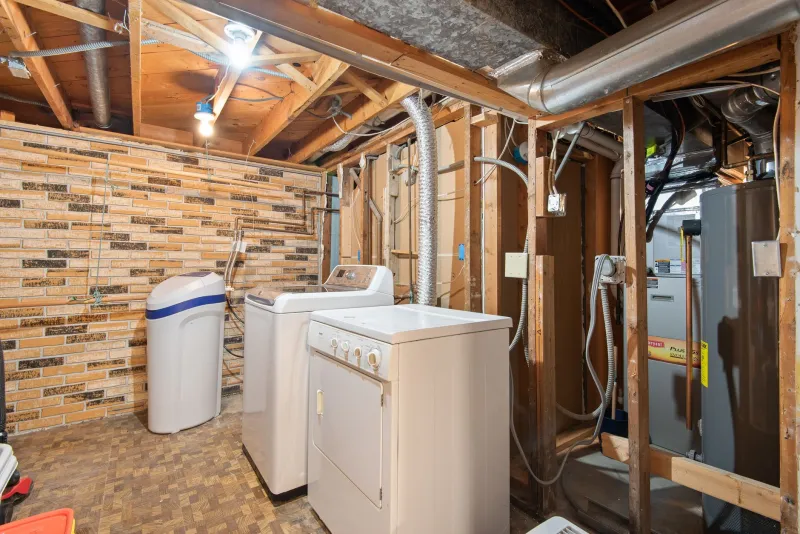
Scranton homeowners are pretty savvy about radon. Given Pennsylvania's geology — we sit on a lot of uranium-rich soil — radon testing has become almost routine when buying or selling a home here. And that's genuinely a good thing. But there's a conversation that almost never happens before radon mitigation work begins, and it involves your plumbing.
Here's the short version: the same cracks, gaps, and penetrations that let radon gas seep into your home are often the same spots where moisture, groundwater, and air infiltration are already working their way through your foundation. And in many Scranton homes — especially the older ones in neighborhoods like Green Ridge, South Side, or the Hill Section — those entry points are tied directly to aging plumbing infrastructure that nobody has looked at in years.
When radon mitigation crews come in and start sealing those gaps without anyone first checking what's going on with the pipes nearby, things can go sideways fast.
Why Radon and Plumbing Are More Connected Than You'd Think
Radon enters homes through the path of least resistance. That usually means foundation cracks, construction joints, sump pit openings, and gaps around utility penetrations — including the spots where water supply lines, drain pipes, and gas lines pass through your basement floor or walls.
In a newer home with modern materials, those penetrations are typically well-sealed and tight. But in a Scranton home built in the 1940s, '50s, or even '70s? There's a decent chance those pipe entry points have shifted, corroded, or cracked over the decades. The concrete around them may have settled. The original caulk or mortar is long gone. And in some cases, the pipes themselves are showing signs of wear that nobody has flagged yet.
When a radon contractor seals those penetrations without knowing the condition of the pipes running through them, a few things can happen — none of them great. You might seal in moisture that was previously able to escape. You might create pressure differentials that stress already-weakened pipe joints. Or you might simply miss the fact that a slow leak nearby is contributing to the very moisture conditions that make radon infiltration worse in the first place.
The Moisture Problem Nobody Mentions at the Radon Consultation
Radon mitigation typically involves sub-slab depressurization — essentially, a system that pulls air from beneath your foundation and vents it outside before it can enter your living space. It works well. But that system is also pulling air and, sometimes, moisture.
If there's a plumbing leak under your slab — a slow drip from an older cast iron drain line, for example, or a hairline crack in a water supply line — that mitigation system can accelerate moisture movement in ways that weren't anticipated. You might notice increased humidity in the basement, efflorescence on the walls, or in worse cases, actual water intrusion that wasn't visible before.
This isn't a knock on radon mitigation. It's a knock on doing it without a complete picture of what's happening in your basement and under your slab.
What a Pre-Radon Plumbing Check Actually Looks Like
Before radon mitigation begins, it's worth having a plumber walk through the basement with one specific question in mind: are there any active or potential plumbing issues near the areas that are about to be sealed or depressurized?
That assessment doesn't have to be exhaustive. A good plumber can usually walk through a Scranton basement in under an hour and flag anything worth knowing about. They're looking at a few key things:
-
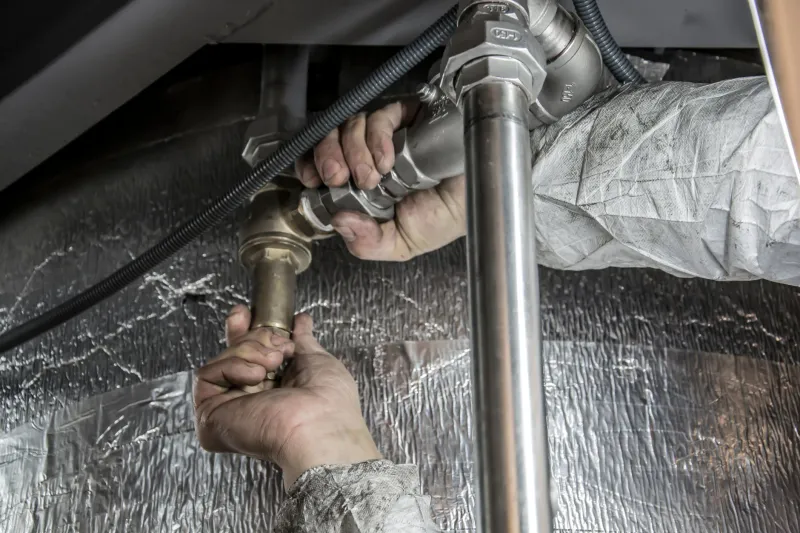
Pipe condition at foundation penetrations. Older homes often have drain lines that pass through the slab or foundation walls. If those pipes are corroded, cracked, or showing signs of joint failure, sealing around them without addressing the pipe first is putting lipstick on a problem.
-
Sump pit and drain tile condition. Many Scranton homes have sump pits that are directly tied into the radon mitigation plan. If the sump pump is aging, the pit liner is cracked, or the drain tile feeding into it is compromised, the mitigation system won't perform as expected — and you might find yourself dealing with water in the basement on top of everything else.
-
Signs of existing moisture intrusion near planned sealing points. Efflorescence, rust staining, or soft mortar near utility penetrations are all signals that water has been moving through those areas. A radon contractor sealing over those spots isn't solving the underlying issue.
-
Gas line penetrations. Less common, but worth mentioning: older homes sometimes have gas line penetrations through the foundation that were never properly sealed. A plumber familiar with Scranton's older housing stock can spot these and flag them for the appropriate contractor.
The Sequence Matters More Than Homeowners Realize
One of the most practical things we hear from Scranton plumbers who've been called in after the fact is this: the order of operations matters. Radon work, plumbing work, and waterproofing work all interact with each other. When they happen in the wrong sequence — or when one trade doesn't know what another has already done — you end up with callbacks, redone work, and bills that stack up.
Ideally, the sequence looks something like this:
- Have a plumber assess the basement and any slab penetrations before mitigation begins.
- Address any plumbing issues that would be complicated or inaccessible after sealing.
- Proceed with radon mitigation with full knowledge of what's been done and what's nearby.
- Re-test radon levels after the system is installed and confirm everything is performing correctly.
That's not a complicated process. It just requires a homeowner who knows to ask for it — and contractors who are willing to coordinate.
What This Means for Scranton Homeowners Specifically
Scranton's housing stock is old. That's part of what makes this city interesting and affordable, but it also means that most homes here have plumbing systems that weren't designed with radon mitigation in mind — because radon mitigation didn't exist when they were built.
If you're in the process of buying a home and radon testing is on the table, it's worth asking your home inspector and your real estate agent whether a plumbing assessment near the foundation has been done recently. If you're already in your home and considering mitigation, make one call to a local plumber before the radon contractor shows up.
It might feel like an extra step. It's really just due diligence — the kind that keeps a routine upgrade from turning into an unexpected repair bill six months later.
At Plumbers Scranton, we connect homeowners with experienced local plumbers who know these houses, know this soil, and know what to look for before work begins. If you're planning radon mitigation and want a plumber to walk through first, we can help you find the right person for the job.