One Inspection, One Phone Call, and a Scranton Family Kept $18,000 in Their Pocket
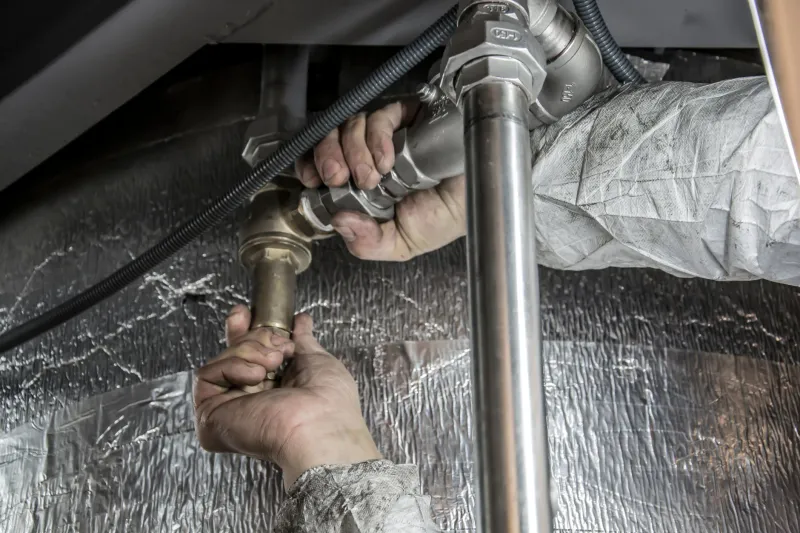
Mike and Sandra Deluca had owned their Green Ridge home for eleven years. They'd replaced the roof, updated the kitchen, and repainted the porch twice. What they hadn't done — not once — was have a plumber come through for a dedicated inspection. Not because they were careless. They just figured if nothing was obviously broken, nothing needed fixing.
That assumption almost cost them everything.
This is the story of how a single preventative visit from a local Scranton plumber uncovered a slow-moving disaster hiding inside their walls — and how catching it early saved them somewhere in the neighborhood of eighteen thousand dollars.
The Call That Started It All
It wasn't even their idea, honestly. Sandra's coworker had just gone through a nightmare — a burst pipe behind a finished basement wall that destroyed flooring, drywall, and a good chunk of their family room. She came into work shaken, and Sandra came home that evening and told Mike they should probably have someone take a look.
They weren't panicking. They weren't seeing warning signs. They just figured, why not?
The plumber they found through a local referral — a contractor who works regularly in the Scranton area — showed up on a Tuesday morning. The Delucas expected him to poke around for twenty minutes, tell them everything looked fine, and be on his way.
That's not what happened.
What the Plumber Found That Nobody Else Had Noticed
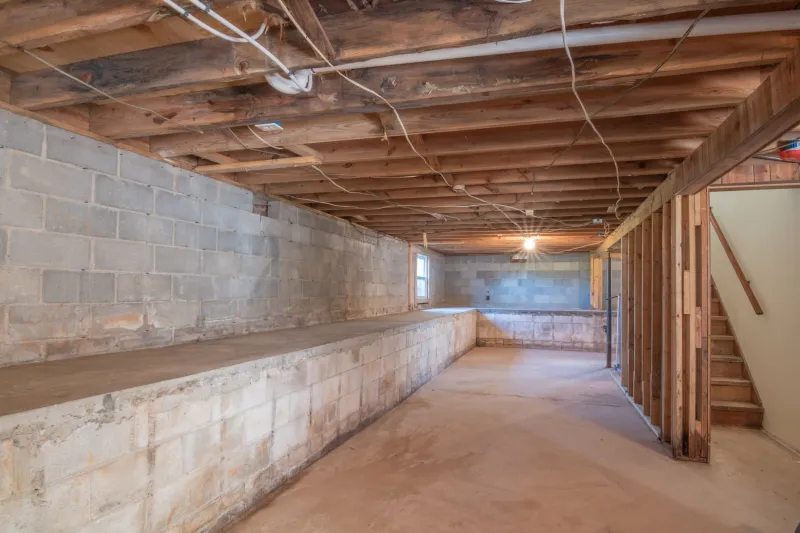
The house was built in the late 1960s. Like a lot of homes in Scranton's older neighborhoods, it had a mix of original galvanized steel pipes and copper that had been added during various updates over the decades. The plumber started in the basement, which is usually where the story begins.
Here's what he flagged:
Severely corroded galvanized supply lines. The original steel pipes feeding water to the first floor had reached the end of their functional life. The interior walls of those pipes — not visible from outside — had narrowed to nearly half their original diameter from decades of rust and mineral buildup. Water pressure had been gradually dropping, but slowly enough that the Delucas had just adapted without realizing it.
A slow weep at a soldered copper joint. Behind a section of drywall near the utility room, there was evidence of long-term minor moisture — slight discoloration, a faint musty smell they'd chalked up to the basement being a basement. The plumber traced it to a joint that was failing. It hadn't burst. But it was going to.
A water heater showing signs of internal corrosion. The unit was fourteen years old. The sacrificial anode rod — the component designed to absorb corrosion so the tank doesn't — had never been replaced. The base of the tank had early signs of rust weeping. A failure there wouldn't just mean no hot water. It could mean a flooded utility room and potential damage to adjacent finished spaces.
None of these things were screaming emergencies that morning. But each one was a countdown timer.
What Would Have Happened If They'd Waited
The plumber walked the Delucas through the math — not to scare them, but because they asked.
A galvanized pipe failure in an older home doesn't always happen all at once. Sometimes it's a slow leak that goes undetected for weeks. By the time water shows up visibly, it's already inside walls, potentially feeding mold growth and compromising structural framing. Remediation costs for mold in a finished basement or first-floor wall cavity? Easily $8,000 to $15,000 depending on spread, not counting the plumbing repair itself.
The failing copper joint was the more acute threat. A joint like that can hold for months — or it can let go during a cold snap when pressure in the system fluctuates. If it failed while the family was at work or asleep, water could run for hours into the wall cavity and subfloor. That scenario, the plumber explained, was the kind that results in complete subfloor replacement, drywall demolition, and insurance claims that still leave homeowners out of pocket.
The water heater? A tank failure floods fast. Fourteen gallons a minute in some cases. In a basement with finished walls and flooring, that's a disaster that compounds by the hour.
Total estimated damage across all three failure scenarios: somewhere between $15,000 and $22,000. The Delucas landed on $18,000 as a rough midpoint when they sat down and talked it through.
What the Actual Repairs Cost
Here's where the story gets genuinely satisfying.
Replacing the corroded galvanized lines with modern PEX — a flexible, durable piping material that's become standard in residential work — ran about $2,800. The failing copper joint was a half-day repair. The water heater was replaced with a new energy-efficient unit, including a new anode rod and updated connections, for just under $1,100.
All in, the Delucas spent roughly $4,500 on repairs that were scheduled, planned, and done without drama.
Compare that to the chaos of an emergency call at 11 p.m., a flooded basement, a mold remediation crew, and weeks of displaced living. The math isn't complicated.
The Warning Signs They'd Been Ignoring (Without Knowing It)
Looking back, Sandra says there were signals. She just didn't know what they meant.
- Water pressure that felt weaker than it used to. They'd mentioned it once, assumed it was a city water issue, and moved on.
- A faint smell in the basement they'd described as "old house smell." It was moisture.
- Slightly discolored water when they first ran the tap in the morning. They'd noticed it for years. It's a classic sign of corroding galvanized pipes shedding rust.
- A water heater that took longer to recover after back-to-back showers. Reduced efficiency is often a sign of sediment buildup or early tank degradation.
None of these individually would send most homeowners running for the phone. Together, they were a pattern a trained eye could read immediately.
What Scranton Homeowners Can Take Away From This
The Delucas aren't outliers. Scranton's housing stock skews old — a lot of homes in this city were built in an era when the plumbing materials used are now well past their expected service life. Galvanized steel pipes were standard through the 1960s and into the '70s. If your home was built before 1980 and the plumbing has never been substantially updated, you're likely living with infrastructure that's operating on borrowed time.
A preventative plumbing inspection isn't a luxury. It's one of the cheaper forms of home insurance you can buy. Most inspections run a fraction of what a single emergency repair costs — and an experienced plumber working in Scranton's older neighborhoods knows exactly where to look and what to look for.
The Delucas schedule one every two years now. Mike jokes that it's the best money they spend on the house. Sandra doesn't think it's a joke at all.
If your home is telling you something — pressure changes, odd smells, discolored water, a water heater that's pushing a decade or more — don't wait for the emergency to make the call. Connect with a trusted Scranton plumber through plumberscranton.com and find out what's actually going on before it becomes a much bigger conversation.