Don't Let a Scranton Winter Freeze Your Pipes — or Your Budget
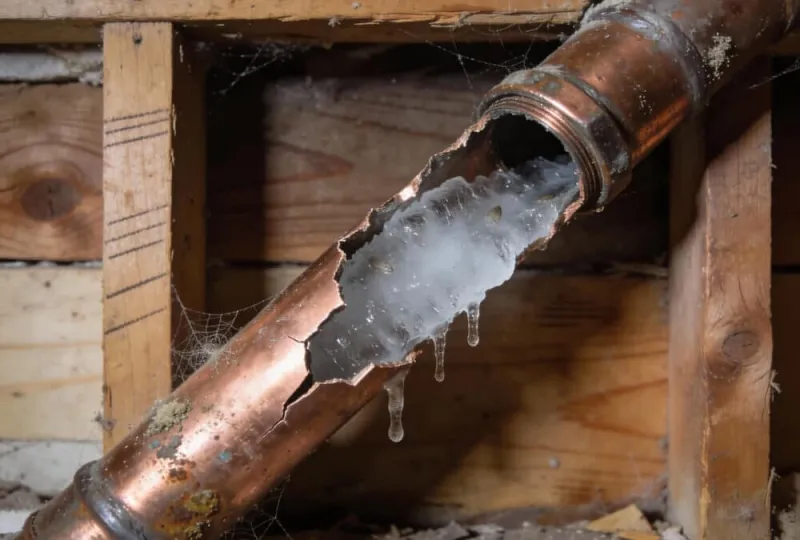
Photo: frozen pipe burst winter home plumbing repair, via talmichplumbingheating.com
When the Cold Moves In, So Does Trouble
Anyone who's lived in Scranton long enough knows the drill. November rolls around, the temperature drops below freezing, and suddenly your morning routine gets a lot more stressful. Maybe the kitchen faucet runs slower than usual. Maybe nothing comes out at all. Or maybe — and this is the nightmare scenario — you hear a faint pop somewhere in the walls and wake up to a flooded basement.
Scranton's climate sits in a tough spot geographically. Winters here routinely push into the single digits, and the Lackawanna Valley's geography can funnel cold air in ways that make exposed pipes especially vulnerable. Add in the fact that a huge chunk of the city's housing stock is older, with pipes running through uninsulated crawl spaces and exterior walls, and you've got a recipe for serious cold-weather plumbing problems.
The good news? Most of the worst outcomes are preventable. The key is knowing what to watch for, understanding how your home's plumbing behaves in extreme cold, and knowing exactly when to pick up the phone and call a licensed plumber before a small problem turns into a five-figure disaster.
Why Scranton Pipes Are Especially at Risk
Not all homes are equally vulnerable, but several factors common to Scranton properties make pipe freeze-ups more likely here than in warmer regions.
Older housing stock. A significant portion of Scranton's residential neighborhoods — from Green Ridge to South Side — feature homes built before modern insulation standards existed. Pipes in these homes often run through unheated spaces, exterior walls with little to no insulation, or below-grade areas that get brutally cold.
Steep temperature swings. It's not just sustained cold that causes problems — it's rapid temperature changes. When temps drop 30 degrees in 12 hours, pipes don't always have time to adjust. Water expands as it freezes, and that expansion creates pressure inside the pipe that has nowhere to go.
Vacant or part-time properties. Scranton has a notable number of rental units and properties that may be vacant during stretches of winter. If the heat gets cut off or drops too low, pipes in those homes are sitting ducks.
Warning Signs You Shouldn't Ignore
Caught early, a freezing pipe situation can often be resolved without major damage. Here are the signals that should put you on high alert:
- Reduced water pressure or no water at all from a specific faucet, especially during or after a cold snap
- Frost visible on exposed pipes in basements, garages, or crawl spaces
- Strange smells coming from drains — blocked pipes can cause odors to back up
- Unusual sounds like banging or cracking from inside walls when temperatures plunge
- Water stains or wet spots on ceilings or walls that weren't there before
If you notice any of these, don't wait. The window between a frozen pipe and a burst pipe can be very short.
Step-by-Step Prevention Strategies for Scranton Homes
Prevention is always cheaper than repair. Here's a practical checklist to get your home ready before winter peaks:
1. Insulate the Vulnerable Spots
Focus first on pipes in unheated areas — basements, crawl spaces, attics, and garages. Foam pipe insulation is inexpensive and widely available at hardware stores. For pipes running along exterior walls, consider adding insulation to the wall cavity itself if you're doing any renovation work.
2. Seal Up Gaps and Drafts
Cold air sneaking in through foundation cracks, dryer vents, or cable entry points can drop the temperature around nearby pipes dramatically. Walk around your home's exterior and use caulk or expanding foam to seal any gaps you find.
3. Keep the Heat Consistent
When it gets really cold, resist the urge to turn the thermostat way down overnight. Keeping your home above 55°F — even when you're away — gives pipes a buffer. If you're traveling, ask a neighbor to check in or invest in a smart thermostat you can monitor remotely.
4. Let Faucets Drip During Extreme Cold
It sounds counterintuitive, but letting a faucet drip slightly during a hard freeze keeps water moving through the pipes. Running water is much harder to freeze than standing water. Focus on faucets connected to pipes along exterior walls.
5. Know Where Your Main Shutoff Is
This is non-negotiable. Every Scranton homeowner should know exactly where their main water shutoff valve is and how to operate it quickly. If a pipe bursts, getting to that valve fast can mean the difference between a manageable mess and a catastrophic flood.
6. Disconnect and Drain Outdoor Hoses
Leaving a garden hose connected to an outdoor spigot in winter is one of the most common — and most avoidable — mistakes. Water trapped in the hose or the connection can freeze and push back into the pipe inside your home.
What to Do If You Think a Pipe Has Frozen
If you suspect a pipe has already frozen, here's how to handle it:
- Turn on the faucet connected to the suspected pipe. Even a trickle means it's not fully frozen.
- Apply gentle heat to the pipe using a hair dryer, heating pad, or warm towels — never an open flame.
- Work from the faucet end toward the frozen section, not the other way around, so melting water has somewhere to go.
- Keep the faucet open throughout the process.
If you can't locate the frozen section, if the pipe is inside a wall, or if you're not comfortable working on it yourself, stop and call a plumber. Applying heat incorrectly or in the wrong spot can actually cause a burst.
When It's Time to Call a Professional
Some situations are just beyond DIY territory, and recognizing that early saves money and stress. Call a licensed Scranton plumber if:
- You have no water to multiple fixtures
- You can hear or see signs of a burst pipe
- Water is already leaking into your home
- You've tried thawing a pipe and nothing is working
- You're dealing with pipes inside walls or under slabs
Emergency pipe repairs in Scranton can run anywhere from a few hundred dollars for a simple fix to well over $5,000 for extensive burst pipe damage that reaches flooring, drywall, and personal property. Catching the problem early — or preventing it entirely — is almost always the smarter financial move.
Finding the Right Help Before an Emergency Strikes
Here's a tip most homeowners don't act on until it's too late: find a trusted local plumber before you need one urgently. Emergency calls on a January night come with premium pricing and potentially long wait times if every plumber in town is already slammed.
At Plumbers Scranton, we connect homeowners with vetted, local plumbing professionals who know the specific challenges of our region's winters. Whether you want a pre-winter inspection, pipe insulation work, or just want to have a reliable number on hand for when things go sideways, our directory makes it easy to find experienced help close to home.
Scranton winters are tough. Your pipes don't have to be casualties of them.