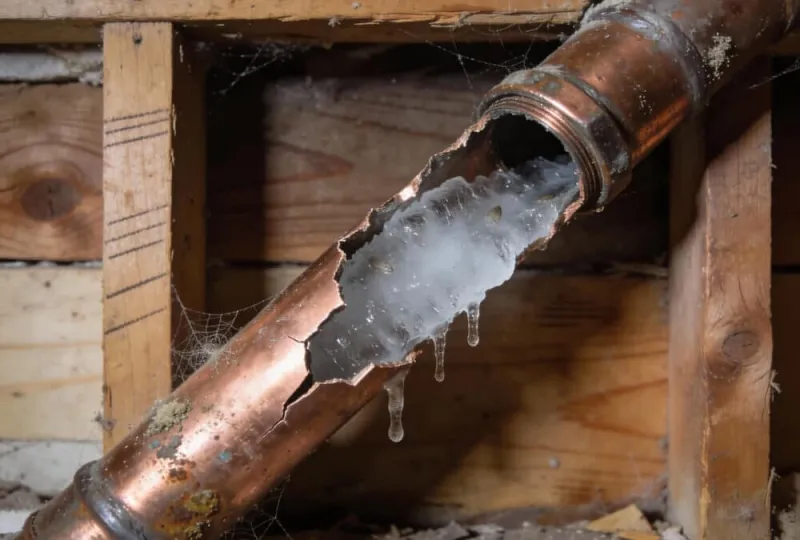
Your Scranton Home Is Old. Its Plumbing Might Be Older Than You Think.
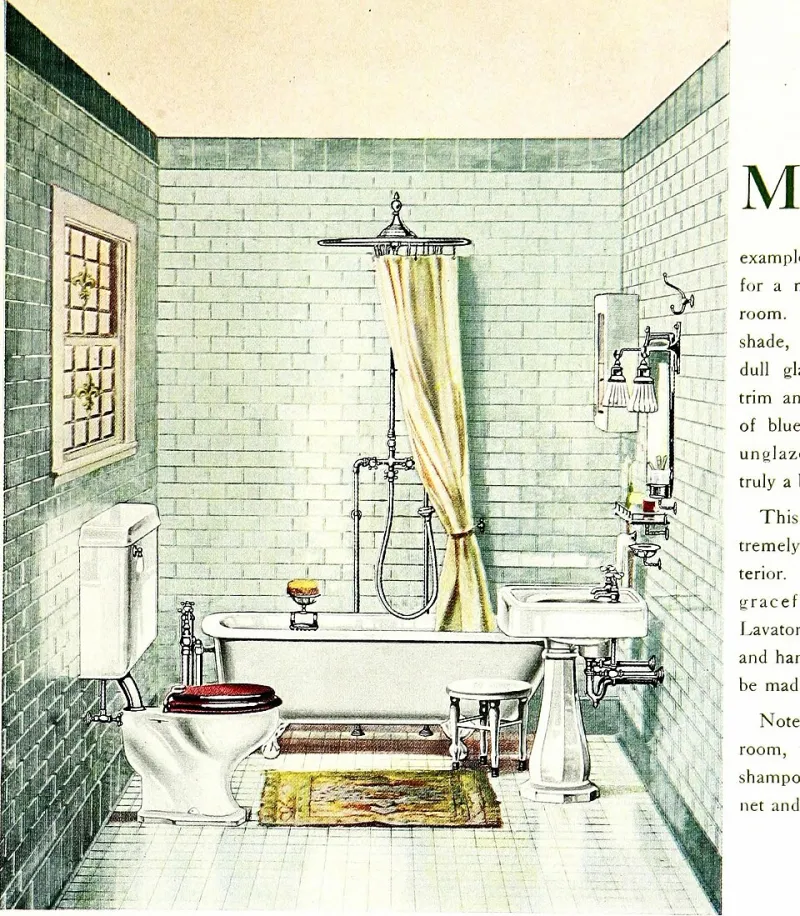
Photo: Internet Archive Book Images, No restrictions, via Wikimedia Commons
The Charm of Old Scranton — and Its Hidden Costs
There's a reason people fall in love with Scranton's older neighborhoods. The craftsmanship in a Hill Section Victorian, the solid bones of a Dunmore colonial, the character packed into a Green Ridge rowhouse — these homes have a personality that new construction simply can't replicate. But here's the honest truth that a lot of buyers and longtime owners don't fully reckon with: if your home was built before 1970, there's a reasonable chance its plumbing system is quietly working against you.
This isn't a scare tactic. It's just the reality of aging infrastructure. Plumbing materials and standards have changed dramatically over the past 50 to 80 years, and what was perfectly acceptable — even state-of-the-art — when your home was built may now be corroded, undersized, or outright unsafe by today's code. The question isn't really whether you'll need to address it. It's when, and how strategically you go about it.
What's Actually in Your Walls
Before you can make smart decisions about your home's plumbing, you need a realistic picture of what you're working with. Older Scranton homes typically fall into a few categories depending on their era.
Galvanized Steel Pipes (Pre-1960s Homes)
If your home dates to the early-to-mid 20th century and hasn't had significant plumbing updates, there's a good chance galvanized steel pipes are still doing the heavy lifting. These pipes were coated in zinc to prevent rust — a solid idea at the time — but that zinc coating degrades over decades. What you're left with are pipes that corrode from the inside out, gradually narrowing in diameter and leaching rust into your water supply.
Signs of galvanized pipe trouble include discolored water (especially that brownish tint when you first turn on a tap), low water pressure throughout the house, and frequent leaks at joints. These aren't problems you can patch indefinitely. Galvanized pipes past their lifespan need to be replaced, full stop.
Cast Iron Drain Lines
Many older Scranton homes used cast iron for drain, waste, and vent pipes. Cast iron is actually quite durable — much more so than galvanized supply lines — but it's not immortal. After 80 or 100 years, cast iron can develop cracks, scale buildup, and corrosion that leads to slow drains, sewage smells, and eventually failures. A camera inspection of your drain lines is the only way to know for sure what you're dealing with.
Lead Pipes and Solder
This one requires a more urgent conversation. Some very old Scranton homes — particularly those built before World War II — may have lead service lines connecting the home to the city water main, or lead solder connecting copper pipes installed through the mid-1980s. Lead in drinking water is a serious health concern, particularly for young children and pregnant women. If you don't know whether your home has lead plumbing components, finding out should be a priority.
Outdated Fixtures and Valves
Beyond the pipes themselves, older homes often have shutoff valves that haven't been exercised in decades and may not actually close properly in an emergency. Older toilets use far more water per flush than modern low-flow models. Faucets and showerheads from past eras lack the efficiency and pressure performance of contemporary options. These aren't emergencies, but they represent ongoing waste and inconvenience.
The Code Compliance Reality
Here's where things get a little complicated for Scranton homeowners doing renovations. Pennsylvania's Uniform Construction Code, which local municipalities enforce, means that any permitted plumbing work triggers compliance requirements — not just for the new work, but potentially for connected systems.
In practical terms, this means that if you decide to remodel a bathroom in your 1940s home and pull permits (which you should), an inspector may require that updated plumbing meet current standards throughout that area of the home. This can catch homeowners off guard when what seemed like a simple bathroom update suddenly involves pipe replacement behind the walls.
This isn't a reason to skip permits — unpermitted work creates serious headaches when you sell the home and can void homeowner's insurance claims. Instead, it's a reason to plan carefully and budget honestly.
Gradual Modernization vs. Full Replacement: An Honest Comparison
One of the most common questions homeowners with older plumbing face is whether to tackle things piecemeal or commit to a comprehensive overhaul. There's no single right answer, but here's a realistic breakdown of both approaches.
The Gradual Approach
For homeowners who don't have the budget for a full repipe but are dealing with an aging system, strategic prioritization makes sense. Focus first on health and safety concerns — lead pipes and service lines, severely corroded galvanized lines, failing drain systems. Address those urgently. Then work through lower-priority updates over time as budget allows.
The advantage here is cost distribution. The disadvantage is that you may end up paying for multiple rounds of labor as different sections of plumbing are addressed separately, which can actually cost more in the long run than doing it all at once.
Rough cost range for partial repiping: $1,500–$8,000 depending on scope, pipe material chosen (copper vs. PEX), and access difficulty in older homes.
Full Replacement
For homes with comprehensively degraded plumbing, or for homeowners planning a significant renovation anyway, a full repipe can be the cleaner, more economical long-term choice. Modern PEX piping — flexible, freeze-resistant, and relatively affordable — has become the go-to material for whole-home repiping projects.
Done properly, a full repipe essentially resets your plumbing system's clock. You get fresh supply lines, improved pressure, better water quality, and the peace of mind that comes with knowing what's actually in your walls.
Rough cost range for full repiping: $4,000–$15,000+ depending on home size, number of bathrooms, accessibility, and whether drain lines are also being replaced.
What to Do First: Get an Inspection
Before spending a single dollar on plumbing updates, the smartest move is a professional assessment. A licensed plumber familiar with Scranton's older housing stock can evaluate your current system, identify immediate concerns, and help you build a realistic prioritized plan. Many plumbers also offer camera inspections of drain lines, which take the guesswork out of what's happening underground or inside walls.
At Plumbers Scranton, we work with homeowners across the region who are navigating exactly these decisions. Our directory connects you with experienced local contractors who understand the specific quirks of older Lackawanna County homes — because there's a real difference between a plumber who's worked on pre-war construction and one who primarily handles new builds.
A Final Word on Old Homes
Loving an older home means accepting that maintenance is part of the relationship. Plumbing updates aren't a punishment for buying a historic property — they're an investment in protecting it. Done thoughtfully and with good professional guidance, modernizing your plumbing can extend your home's life, improve your daily comfort, and seriously boost its resale value.
Scranton's older homes deserve to be around for another hundred years. With the right plumbing beneath them, they will be.