Demo Day Can Wait: Why Scranton Homeowners Should Call a Plumber Before the First Swing
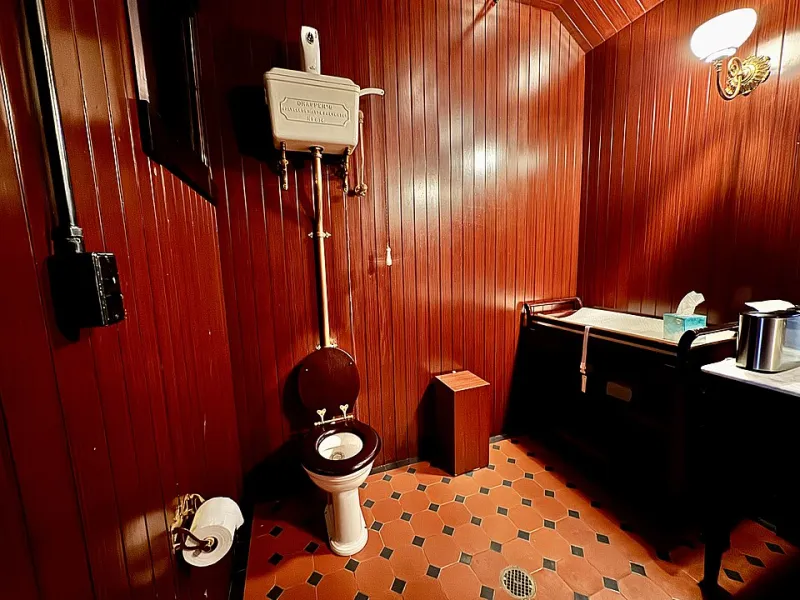
Photo: w_lemay, CC BY-SA 2.0, via Wikimedia Commons
There's something genuinely exciting about a bathroom remodel. You've pinned the tile, picked the vanity, maybe even argued about grout color for longer than you'd care to admit. Demo day feels like the starting gun — the moment the dream stops being a Pinterest board and starts becoming real.
But here in Scranton, where a huge chunk of the housing stock dates back to the mid-1900s or earlier, that first swing of the sledgehammer has a habit of turning excitement into panic. Because what's behind those walls? Sometimes it's just drywall and studs. And sometimes it's a story you really didn't want to hear.
Local plumbing contractors and remodeling crews have seen it play out dozens of times: a homeowner skips the pre-demo plumber walkthrough, starts tearing things out, and suddenly they're staring at black mold, crumbling cast iron pipes, or a venting situation that would make a building inspector wince. The remodel budget that seemed generous on Monday is gone by Wednesday.
What Scranton's Older Homes Are Hiding
Scranton's neighborhoods — from Green Ridge to South Side to the Hill Section — are full of character. They're also full of plumbing that was installed when Eisenhower was president and hasn't been meaningfully updated since.
When a plumber walks through a bathroom before demolition, they're looking for things a homeowner — or even a general contractor — might not catch. A few of the most common discoveries:
Mold behind the tile. Older bathrooms often have subpar waterproofing, and years of moisture infiltration leave mold colonies tucked behind shower surrounds and along exterior walls. You won't see it until the tile comes down. A plumber can spot signs of long-term moisture damage — staining around supply lines, soft spots near the tub — before demo begins.
Calcium-clogged supply lines. Scranton's water is notoriously mineral-heavy (more on that in another article), and older galvanized or copper supply lines can be so scaled up they're barely functional. Replacing tile and fixtures without addressing those lines means your brand-new shower is running at a trickle. A plumber can pressure-test the lines and tell you what you're actually working with.
Outdated or improper venting. Plumbing vents allow sewer gases to escape safely and keep your drain system flowing properly. In older homes, vent configurations were sometimes done wrong from the start, or modified by previous owners in ways that don't meet code. Opening up walls during a remodel is actually the best time to fix this — but only if you know it's a problem going in.
Cast iron drain lines in rough shape. Many Scranton homes still have original cast iron drain pipes. Some of it holds up beautifully. Some of it has corroded to the point where it's basically held together by habit. A plumber can camera-inspect drains before demo to flag anything that needs replacing.
The Mid-Project Discovery Problem
Here's the scenario that plays out more than it should: a homeowner hires a tile installer and a handyman, skips the plumber consultation, and starts demo. Three days in, they pull off the tub surround and find mold spreading across the framing. Now the project is on hold. They need a mold remediation crew, a plumber to fix whatever leak caused the problem, and possibly a structural inspection if the framing is compromised.
Meanwhile, the tile installer's schedule has moved on. The vanity is sitting in a box in the garage. Every week the bathroom is out of commission is another week of inconvenience — and another week of carrying project costs without progress.
This is what plumbers and remodeling contractors in Scranton call the mid-project pivot, and it's almost always more expensive than doing things in the right order would have been.
One local contractor put it plainly: "I'd rather spend an hour walking through a bathroom with a homeowner before we start than spend three weeks untangling a mess that could've been avoided. The plumber's visit is cheap. The surprises aren't."
Questions to Ask Before You Schedule Demo
If you're planning a bathroom remodel in a Scranton home — especially one built before 1980 — here are the questions worth raising with a plumber before anything comes down:
- How old are the supply lines, and what are they made of? Galvanized steel, copper, and newer PEX all behave differently and have different lifespans.
- Is the drain venting up to current code? This is especially relevant if you're planning to move fixtures or add a new drain location.
- Is there any sign of active or past leaks behind the walls? A plumber can often tell from water staining, pipe corrosion, or pressure irregularities.
- What does a camera inspection of the drain lines show? For older homes, this is worth the cost before committing to a full remodel.
- Do we need to upgrade the shut-off valves? Old angle stops and gate valves can fail when you actually need them — like during a remodel.
The Plumber Walkthrough Is Not a Big Deal — Until You Skip It
A pre-demo plumber consultation usually takes an hour or two. It's not an invasive process — no walls come down, no permits are pulled. It's a professional set of eyes doing what they're trained to do: spot plumbing problems before they become someone else's emergency.
For Scranton homeowners, that walkthrough is especially valuable given the age of the local housing stock. A plumber familiar with the area knows what to expect in a 1950s bungalow or a 1920s row house. They've seen the same cast iron configurations, the same galvanized supply line issues, the same venting workarounds that were standard practice decades ago.
The goal isn't to scare you out of remodeling your bathroom — a well-planned renovation adds real value to your home and makes daily life a lot more enjoyable. The goal is to make sure you're not discovering a $6,000 problem on day three of what was supposed to be a two-week project.
So before the tile samples come out and the demo crew gets scheduled, make one call first. The plumber's visit is the cheapest part of a bathroom remodel. What they find — or don't find — sets the stage for everything else.
Need a plumber to walk through your Scranton home before your renovation kicks off? Plumbers Scranton connects you with experienced local contractors who know what to look for in older Northeast Pennsylvania homes.