When Saving Money Costs You More: The Real Price of DIY Plumbing in Scranton
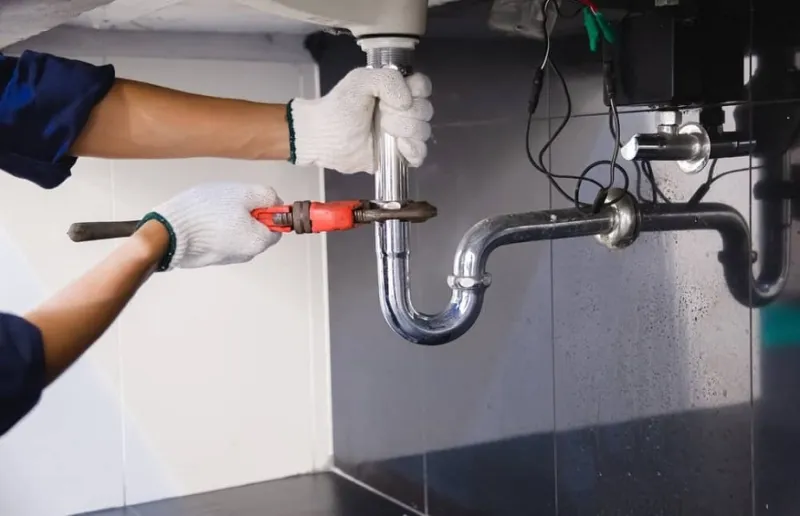
Photo: homeowner DIY plumbing repair under sink water leak damage, via homerepairinghelp.com
There's a certain satisfaction in fixing something yourself. You save some cash, you feel capable, and you get to say you handled it. We get it — nobody wants to spend money on a plumber when a quick fix seems totally doable. But in Scranton, where a huge chunk of the housing stock dates back to the early- and mid-20th century, DIY plumbing can turn a $150 service call into a $4,000 nightmare faster than you'd think.
We've talked to local contractors, homeowners, and plumbing professionals across the Scranton area to put together a clear-eyed look at what DIY plumbing really costs — not just in dollars, but in stress, time, and structural damage.
Scranton's Older Homes Are a Different Animal
If your house was built before 1970, there's a solid chance the plumbing inside it is a patchwork of different materials, repair eras, and code standards. Galvanized steel pipes from the 1940s sitting next to copper added in the '80s, connected by fittings that may or may not be up to current code — that's not unusual here.
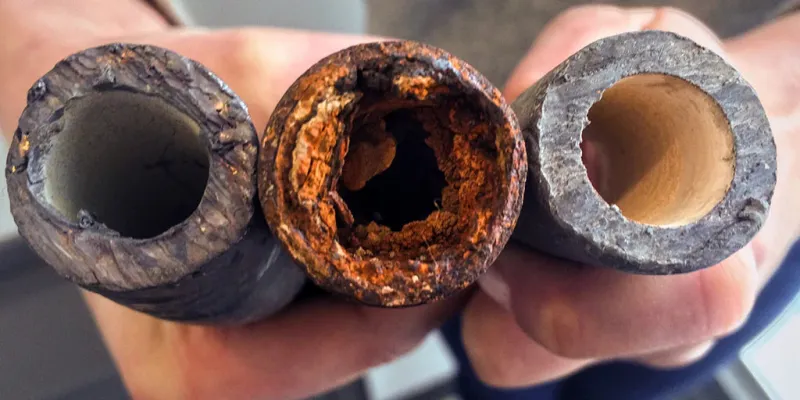
The problem with DIY repairs in these homes isn't just inexperience. It's that you often can't see what you're dealing with until you're already into the walls. A homeowner on the South Side recently shared their experience of replacing what they thought was a simple shut-off valve under the kitchen sink. Once they got in there, they discovered the galvanized pipe feeding it had corroded from the inside out — something totally invisible from the surface. What started as a $20 valve replacement turned into emergency pipe replacement and drywall repair totaling just under $2,800.
That story isn't unusual. It's practically a pattern.
The Most Common DIY Mistakes We See
Over-Tightening Connections
One of the most frequent calls plumbers get after a DIY attempt involves cracked fittings or stripped threads. It feels intuitive to tighten everything as much as possible — if a little is good, more must be better, right? Wrong. Over-tightening plastic fittings, in particular, creates micro-fractures that may not leak immediately. They leak three weeks later, inside your wall, while you're at work.
Using the Wrong Materials Together
Mixing certain metals — like connecting copper directly to galvanized steel without a dielectric union — causes accelerated corrosion through a process called galvanic action. It's a chemistry problem, not an opinion. Many homeowners don't know this exists until they're dealing with a corroded joint and water damage in the subfloor.
Skipping Permits
This one bites people hardest when they go to sell their home. In Scranton, certain plumbing work requires a permit. When unpermitted work is discovered during a home inspection — and inspectors do find it — buyers either walk or demand significant price reductions. One homeowner in the Hill Section reportedly lost a sale because DIY drain work done years earlier didn't meet code, and the cost to remediate it exceeded what they'd "saved" on the original repair by a factor of six.
What's Actually Safe to DIY
We're not here to tell you to call a plumber every time a faucet drips. Some tasks genuinely are manageable for a handy homeowner with the right tools and a little patience.
Generally safe for confident DIYers:
- Replacing a faucet on an existing, accessible supply line
- Swapping out a toilet flapper or fill valve
- Unclogging a drain with a hand snake or plunger
- Replacing a showerhead
- Installing a new toilet seat
These are surface-level repairs with limited consequences if something goes slightly sideways. The key word is accessible — if the work requires cutting into walls, ceilings, or floors, the risk profile changes significantly.
When You Absolutely Need a Licensed Plumber
Some jobs aren't just difficult — they're legally and structurally beyond the DIY zone. In Pennsylvania, licensed plumbers carry insurance and are accountable to code. That matters.
Call a professional for:
- Any work involving the main water line
- Water heater installation or repair
- Sewer line issues
- Anything requiring opening walls or floors
- Gas line connections (this should go without saying)
- Pipe replacement in homes with older galvanized or lead supply lines
- Any repair where water damage has already occurred
The rule of thumb most experienced plumbers suggest: if the repair involves anything you can't fully see and access from the front, or if a mistake would cause water to reach wood, insulation, or drywall, bring in a pro.
The Insurance Angle Nobody Talks About
Here's something that catches homeowners off guard: many homeowner's insurance policies have clauses that limit or void coverage for water damage resulting from unpermitted or improper DIY repairs. If you do a shoddy pipe repair yourself and it fails six months later, causing significant water damage, your insurer may deny the claim — or pay out significantly less than expected.
That's a risk that doesn't show up in the YouTube tutorial.
The Bottom Line
DIY plumbing in Scranton isn't inherently bad — it's about knowing your limits and knowing your house. The older the home, the more likely you are to find surprises inside the walls. And surprises in plumbing almost always cost money.
If you're ever unsure, a quick call to a local Scranton plumber for an assessment is usually far cheaper than undoing a repair gone wrong. Most reputable contractors are happy to tell you whether a job is something you can handle yourself or whether it genuinely needs a professional touch.
At Plumbers Scranton, we connect homeowners with experienced local plumbing contractors who know these older neighborhoods, these older pipes, and these older homes. Sometimes the smartest DIY decision is knowing when to hand the wrench to someone else.