The Leak You Can't See Is the One That Ruins Everything: Hidden Water Damage in Scranton Homes
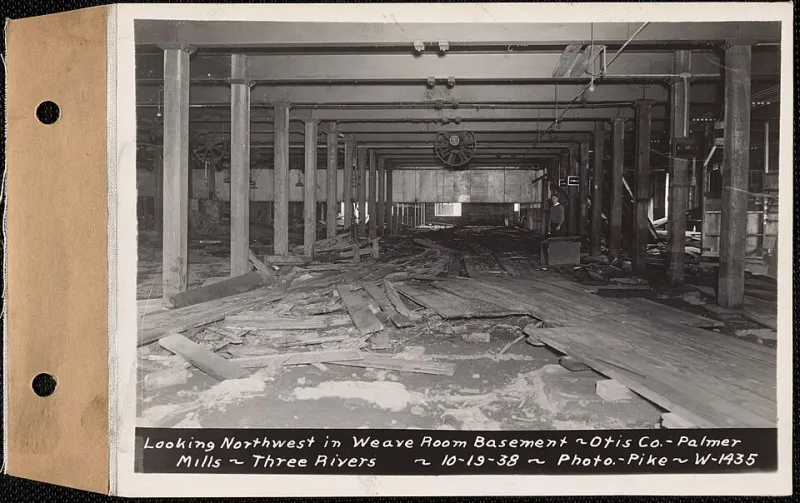
Photo: Massachusetts. Metropolitan District Water Supply Commission, Pike, Stuart D., 1910-1978, Pike, Stuart D., 1910-1978, Public domain, via Wikimedia Commons
There's a particular kind of dread that comes with discovering water damage you didn't know was there. Not the sudden panic of a burst pipe flooding your basement — that's terrible, but at least it's obvious. We're talking about the slow, invisible kind. The kind that's been working against your home for months, maybe years, while everything looked perfectly fine from the outside.
In Scranton, this is more than a hypothetical concern. The combination of old housing stock, aging pipe materials, and the region's freeze-thaw cycles creates conditions where hidden water intrusion is genuinely common. And when it goes undetected long enough, the consequences reach well beyond a repair bill — they threaten the structural integrity of the home itself.
Why Scranton Homes Are Particularly Exposed
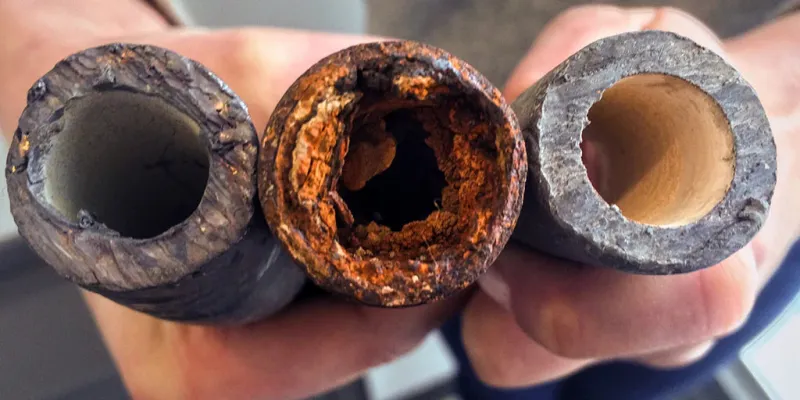
Age is the primary factor. A substantial portion of homes in Scranton and the surrounding Lackawanna County area were constructed in an era when plumbing materials had a much shorter functional lifespan than homeowners were ever told. Cast iron drain lines. Galvanized steel supply pipes. Early copper installations with lead solder joints. These materials weren't poorly made — they were the standard of their time. But "their time" was often 60 to 100 years ago.
Metal corrodes. Joints fail. Pipe walls thin out from the inside while looking unremarkable from the outside. And because so much of a home's plumbing runs through walls, under floors, and beneath concrete slabs, the early stages of a leak rarely announce themselves.
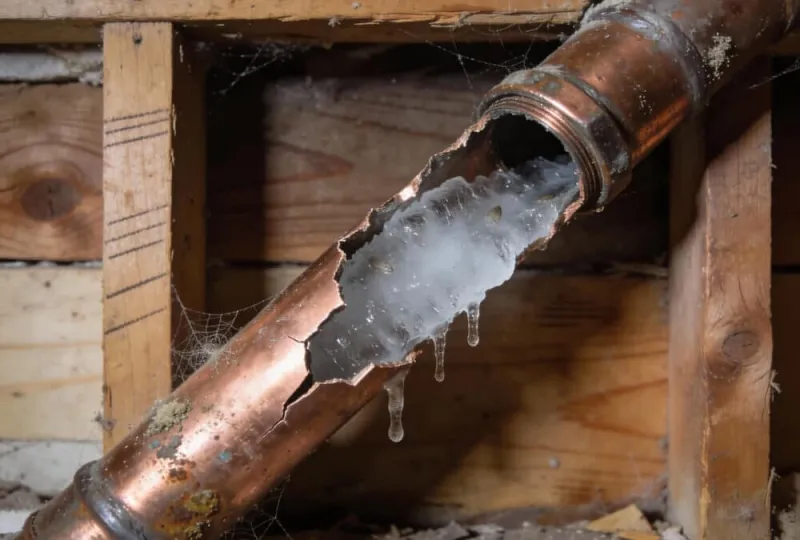
Scranton's climate adds another layer of pressure. The repeated freeze-thaw cycles that hit northeastern Pennsylvania every winter expand and contract pipe materials, stressing joints and connections over time. A fitting that holds through twenty winters might quietly fail on the twenty-first — and the water it releases doesn't rush out dramatically. It seeps. It travels along joists and subfloor materials. It finds its way to your foundation wall.
What Foundation Damage from Water Actually Looks Like
Most homeowners picture foundation damage as dramatic cracking or visible shifting. Sometimes it is. More often, the early stages are subtle enough to dismiss as normal settling — which is exactly why they get dismissed.
Here's what to watch for:
Hairline cracks in basement walls or floors. Not every crack signals a crisis, but cracks that run horizontally across a block or poured concrete wall, or that appear to be growing over time, deserve immediate attention. Water intrusion accelerates crack development by saturating the soil around your foundation and increasing lateral pressure.
Efflorescence on basement walls. That white, chalky residue you sometimes see on concrete or block walls isn't just cosmetic. It's mineral deposits left behind when water moves through the wall and evaporates. It's a reliable indicator that water is migrating through your foundation — which means there's a moisture source somewhere feeding it.
Persistent musty odor in basement or crawl space. Mold and mildew don't need standing water to grow. They need sustained humidity and organic material — which your floor joists, subfloor sheathing, and wall framing provide in abundance. A musty smell that doesn't go away after you air the space out is telling you something is keeping it damp.
Soft spots or discoloration in flooring. Water traveling through a subfloor often makes itself known through the finished floor above — warped hardwood, soft spots in vinyl, or tile grout that's cracking and separating. If you find these, the source is rarely directly below them. Water travels.
Unexplained spikes in your water bill. This one gets overlooked constantly. If your household usage hasn't changed but your water bill has crept up over several months, you may have a supply line leak that's running continuously somewhere you can't see it.
Detection Methods Homeowners Can Use Right Now
You don't need specialized equipment to do a reasonable first pass on your home's hidden leak risk. Start with these:
The meter test. Turn off every water-using appliance and fixture in your home — including the ice maker, irrigation systems, and anything else that draws water automatically. Note your water meter reading, then wait 30 minutes without using any water. If the meter has moved, you have a leak somewhere in the system.
Basement and crawl space inspection after rain. Check your basement within 24 hours of a significant rainfall. Fresh water staining, new dampness on walls, or pooling in low spots indicates drainage or waterproofing issues that can be compounding any plumbing-related moisture problems.
Check under sinks and around toilet bases regularly. These are the most common locations for slow supply line and wax ring failures. A small amount of discoloration or soft cabinet flooring under a sink is easy to attribute to a splash — but if it keeps coming back, the source is ongoing.
Look for green patches in your yard. Unusually lush, green grass in a specific area of your yard, especially during dry periods, can indicate a leaking underground supply line feeding that section of soil.
When You Need a Professional — and Why Sooner Is Always Better
Homeowner detection methods are a starting point, not a solution. If your meter test shows movement, if you're finding repeated moisture in the same locations, or if you've noticed any of the foundation warning signs described above, the next step is calling a licensed plumber — not a general contractor, not a waterproofing company, not a home inspector.
A plumber can use pressure testing to isolate which section of your system is losing water, deploy thermal imaging or acoustic detection equipment to locate leaks inside walls and under slabs, and assess whether the leak source is a plumbing failure or a drainage/waterproofing issue that requires a different specialist.
The financial argument for acting quickly is straightforward. A supply line leak caught early might cost a few hundred dollars to repair. That same leak, discovered after six months of saturating your foundation and floor structure, can easily generate $10,000 to $30,000 in combined repair costs — plumbing, structural remediation, mold remediation, and finished surface replacement.
Foundation repair in particular is not a small line item. Depending on the extent of damage, it can run from several thousand dollars for minor crack injection work to six figures for full foundation stabilization. Insurance coverage for water damage varies widely, and slow leaks are frequently excluded from standard homeowner policies because they're classified as maintenance failures rather than sudden events.
Don't Wait for the Obvious Signs
The frustrating reality of hidden water damage is that by the time it becomes obvious, it's already serious. The homeowners who fare best are the ones who stay curious — who follow up on that faint musty smell instead of writing it off, who do the meter test when their bill ticks up unexpectedly, who walk their basement after every significant rain.
If something feels off in your Scranton home, trust that instinct. Plumbers Scranton connects homeowners with experienced local plumbing contractors who know how to track down the leaks you can't see — before they become the damage you can't afford.
A quiet pipe isn't always a healthy one. Sometimes it's just waiting.