What's Really in Your Water? A Scranton Homeowner's Guide to Water Quality and Your Pipes
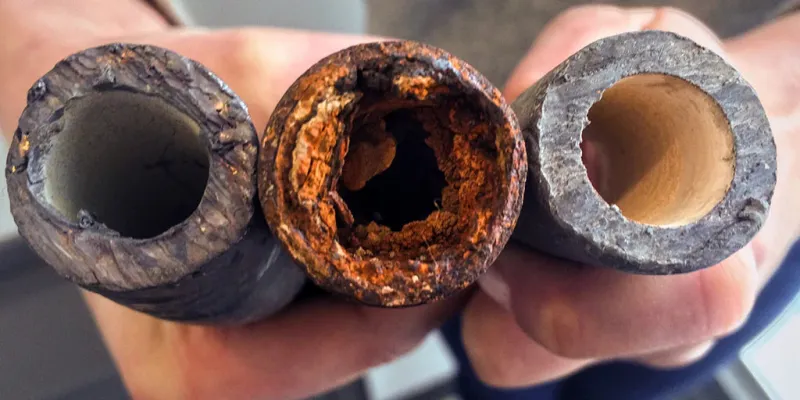
Photo: home water quality testing tap water discoloration rusty pipes, via cdn.shopify.com
Most of us don't think much about water until something seems wrong with it. A reddish tint in the toilet bowl. A chalky film on the showerhead. A faint metallic taste that wasn't there a year ago. These aren't random quirks — they're often clues about what's happening inside your plumbing system, and in Scranton, there are some specific local factors that make these issues worth understanding.
This isn't a scare piece. Scranton's municipal water meets federal safety standards. But "safe" and "ideal" aren't always the same thing, and the interaction between your water supply and your home's plumbing can quietly cause real damage over time.
Where Scranton's Water Comes From
The city's water supply is managed through a network of reservoirs and treatment facilities that serve the greater Scranton area. Like most municipalities in the northeastern United States, Scranton's system draws from surface water sources — lakes and reservoirs fed by local watershed runoff — which are then treated before reaching your tap.
Surface water tends to be softer than groundwater in many regions, but that doesn't mean it's without complexity. Treatment processes introduce chlorine and other disinfectants, pH adjusters are used to reduce pipe corrosion in the distribution system, and the water picks up characteristics from the aging infrastructure it travels through before it ever reaches your house.
And then there's your house itself.
The Age of Your Pipes Changes Everything
If your home was built before 1986, there's a non-trivial chance some portion of your plumbing contains lead solder, lead-lined fixtures, or in older homes, actual lead pipes in the service line connecting the municipal main to your house. This is a known issue in many older northeastern cities, and Scranton is no exception.
Lead doesn't affect the taste or appearance of water, which is exactly what makes it dangerous. It's invisible. The only way to know is to test.
Beyond lead, many Scranton homes have galvanized steel pipes that have been slowly rusting from the inside for decades. As that interior layer of rust and mineral buildup thickens, it does two things: it restricts water flow, and it contributes iron and other particulates to your water. That reddish-brown tint in your water first thing in the morning? That's your pipes talking.
What the Numbers Actually Mean
pH Levels
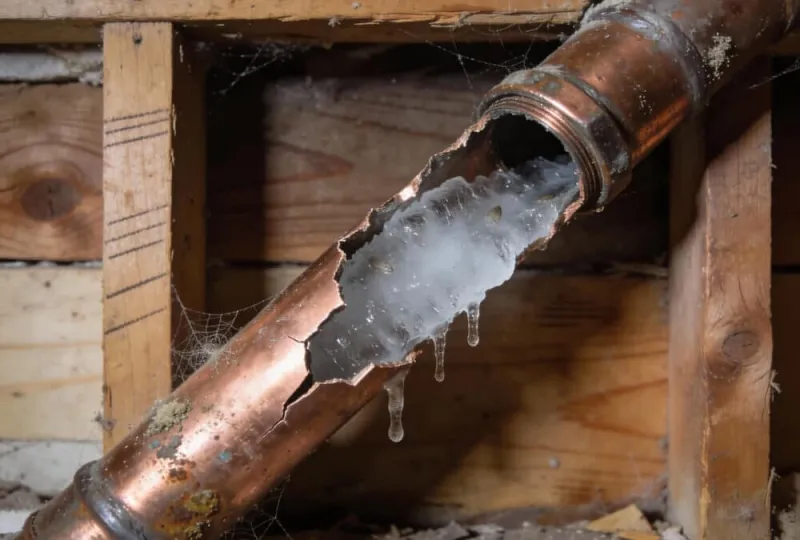
Water that's slightly acidic (below 7.0 on the pH scale) is corrosive to metal pipes. Scranton's treated water is generally kept in a safe pH range, but variations happen, and older distribution infrastructure can affect what arrives at your tap. Acidic water accelerates corrosion in copper pipes, which can lead to pinhole leaks — one of the most frustrating and sneaky plumbing problems a homeowner can face.
Hardness and Mineral Content
Water hardness refers to the concentration of dissolved minerals, primarily calcium and magnesium. Scranton's water is considered moderately hard in most areas, which means mineral scale buildup is a real concern over time. That white crusty buildup around your faucets and showerheads? Scale. Inside your water heater, scale acts as insulation between the heating element and the water, forcing the unit to work harder and shortening its lifespan significantly.
Moderately hard water won't destroy your plumbing overnight, but over years and decades, it quietly degrades water heater efficiency, clogs aerators, and reduces the effective diameter of supply pipes.
Chlorine and Disinfection Byproducts
Chlorine is necessary for safe municipal water, but at higher concentrations it can degrade rubber components inside your plumbing — washers, seals, and gaskets — faster than they'd otherwise wear out. If you're replacing faucet washers more often than seems normal, or dealing with persistent drips from valves that seem relatively new, water chemistry could be a contributing factor.
Warning Signs Worth Paying Attention To
- Reddish or brown water: Iron from corroding galvanized pipes or the municipal distribution system
- Blue-green staining in sinks or tubs: Copper corrosion, often linked to acidic water
- White or gray scale buildup: Mineral deposits from hard water
- Sulfur or "rotten egg" smell: Can indicate bacterial activity in water heaters set too low, or issues with a well if you're on private water
- Metallic taste: Could be copper or, in serious cases, lead — worth testing immediately
- Sudden drop in water pressure: Scale buildup, corroded pipes, or a developing leak
None of these symptoms should be ignored, but they also shouldn't automatically send you into a panic. They're diagnostic clues.
What You Can Actually Do About It
Get Your Water Tested
Before spending money on any treatment system, get a baseline test. You can purchase home test kits for basic parameters, but for a complete picture — especially if you're concerned about lead — use a certified laboratory. Pennsylvania DEP maintains a list of certified water testing labs, and many local plumbers can point you toward a reliable option.
Water Softeners
For homes dealing with significant scale buildup and hard water effects, a whole-house water softener is often worth the investment. These systems use ion exchange to reduce calcium and magnesium concentrations, protecting appliances, extending the life of water heaters, and reducing scale in pipes and fixtures. Installation typically runs between $800 and $2,500 depending on system size and your home's configuration.
Filtration Systems
For taste, odor, and certain contaminants, point-of-use filters (under the sink or on the faucet) offer targeted improvement without treating water you're using to flush toilets. Reverse osmosis systems provide the most thorough filtration at the tap and are particularly popular for households with young children or anyone with health concerns about water quality.
Pipe Replacement
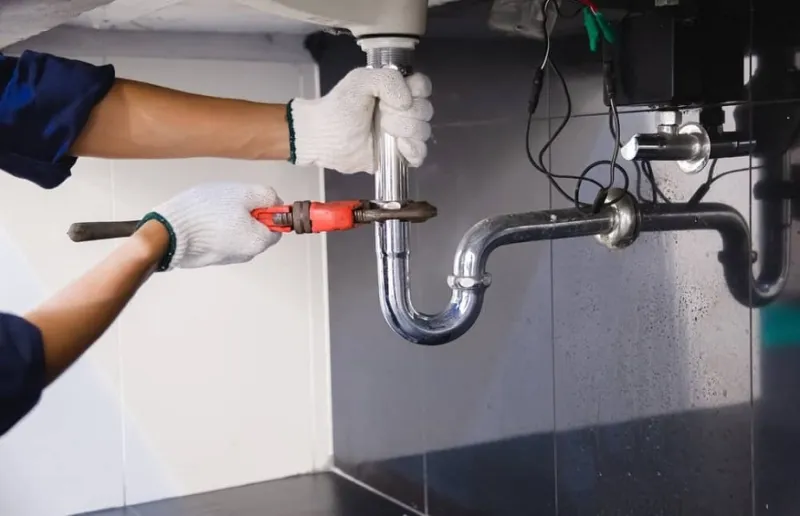
If your home has galvanized steel pipes or you have reason to believe there's lead in your service line or interior plumbing, replacement is the most permanent solution. It's a significant investment, but it's also the kind of project that pays dividends in water quality, pressure, and peace of mind for decades. This is not a DIY project — it requires permits and a licensed plumber.
The Plumbing-Water Quality Connection Is Local
Every city has its own water chemistry profile, its own infrastructure age, and its own set of common plumbing challenges that follow from those realities. In Scranton, that means older pipes, moderately hard water, and a housing stock where lead-era plumbing is still present in more homes than most people realize.
Understanding this stuff doesn't require a chemistry degree. It just requires paying attention to what your water is telling you — and knowing which local plumbing professionals can help you interpret the signals and take action.
Plumbers Scranton connects homeowners with licensed local contractors who understand the specific conditions in this city. If something about your water seems off, or you want an honest assessment of your home's plumbing health, we can help you find the right person for the job.