Why Your Scranton Bathroom Remodel Takes Longer Than the Contractor Said: The Plumbing Truth
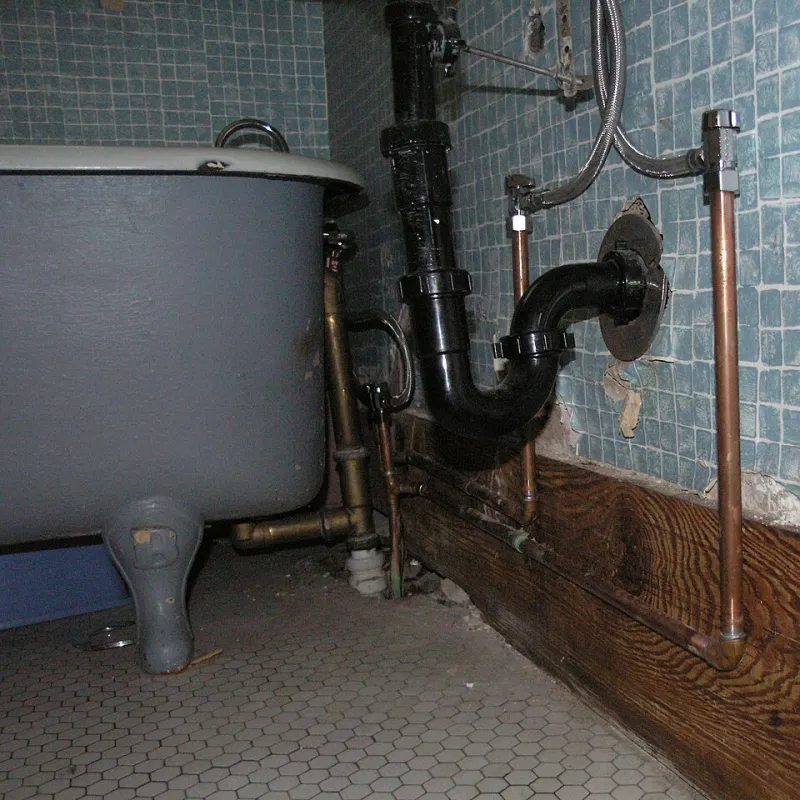
Photo: Bart Everson, CC BY 2.0, via Wikimedia Commons
You've seen the home renovation shows. A crew swoops in, tears out the old vanity, slaps in a shiny new shower, and by Friday the homeowners are crying happy tears on a freshly tiled floor. It looks effortless. It looks fast.
Then you call a Scranton plumber for your own bathroom remodel and they tell you to block off three weeks on your calendar.
So what gives?
The short answer: television lies, and old houses tell complicated stories. The longer answer is worth reading before you book a single contractor — because understanding why bathroom plumbing takes the time it does will save you money, stress, and at least one very tense conversation with your spouse about why you're still sharing the hall bathroom.
The First Week Is Almost Always Diagnosis, Not Demo
Here's something most homeowners don't expect: a significant chunk of the early timeline has nothing to do with installing anything. It's about figuring out what you're actually working with.
Scranton's housing stock skews old. A lot of homes in this city were built between the 1890s and the 1950s, and many of them have had plumbing patched, added to, and jury-rigged by multiple owners over the decades. When a plumber opens up your bathroom walls, they're essentially reading a history book — and sometimes that book has some really alarming chapters.
Common discoveries during the first week of a Scranton bathroom remodel include:
- Cast iron drain lines that have corroded to the point where they can't support a new fixture load without replacement
- Galvanized steel supply lines with heavy mineral buildup that restrict flow — or that will fail under pressure once disturbed
- Venting systems that were never properly installed or that don't meet current code
- Subfloor damage from years of slow leaks the previous owners either didn't know about or didn't disclose
- Knob-and-tube wiring running through plumbing chases that complicates everything
None of this is visible from the outside. None of it shows up on a home inspection. And all of it has to be dealt with before any new fixture goes in.
A good Scranton plumbing contractor won't rush this part. They'll assess, document, and walk you through exactly what they found before moving forward. That process alone can take several days.
Week Two Is When the Real Work Happens — and When Permits Matter
Once the assessment is done and everyone agrees on a plan, the rough-in work begins. This is the phase where new supply lines get run, drains get repositioned if needed, and venting gets corrected.
In a straightforward remodel — new fixtures in the same locations, no layout changes — this can move relatively quickly. But the moment you want to move a toilet even two feet, or shift the shower to the opposite wall, or add a double vanity where a single one lived before, the complexity multiplies fast.
And then there's the permit process.
Plumbing permits in Scranton aren't optional, and they're not just bureaucratic busywork. They require inspections at specific stages of the project, which means your plumber has to schedule those inspections and wait for them before closing up walls. An inspection might be scheduled for Tuesday, but if the inspector runs behind, you're waiting until Wednesday. Or Thursday.
This is not your plumber dragging their feet. This is the system working as intended — because permitted, inspected plumbing is what protects you when you eventually sell your home and what protects your family in the meantime.
Expect this phase to run five to eight business days in a standard remodel, longer if layout changes are involved.
Week Three: Why You Can't Just Skip to the Pretty Part
A lot of homeowners get impatient around week two. The rough-in is done, the inspection is passed, and they want to know why they can't just go ahead and start tiling.
Here's why: new plumbing needs to be pressure-tested and observed over time before walls close. Supply lines need to sit under pressure to confirm there are no slow weeps at connections. Drain lines need to be tested for proper flow and slope. Any issue caught at this stage costs an hour to fix. The same issue caught after the tile is set costs days.
Beyond testing, week three is typically when fixtures get set — the toilet, the vanity, the shower valve trim, the tub if there is one. This sounds like it should go fast, but finish plumbing is detail work. Getting a shower valve perfectly level, making sure supply stops are accessible, ensuring the toilet flange sits at exactly the right height for the new tile thickness — these things take patience, not speed.
Rushing finish plumbing is one of the most common causes of callbacks. A toilet that rocks slightly because the flange wasn't set right. A shower valve that drips because the cartridge was cross-threaded in a hurry. Small things that become expensive things.
What You Can Do to Keep Things Moving
The timeline isn't entirely out of your hands. Homeowners who come prepared tend to have smoother projects. A few practical tips:
Make fixture decisions before demo day. If your plumber is waiting on you to decide between two shower valves, the project stops. Have everything selected and ideally on-site before work begins.
Ask about permit lead times upfront. Your contractor should be able to give you a realistic window for when inspections can be scheduled in Scranton. Build that into your expectations from the start.
Don't book your tile installer for the day after rough-in. Leave buffer. If the inspection goes smoothly and everything is ready early, great — you can move the tile crew up. If it doesn't, you won't be paying a crew to sit idle.
Ask your plumber what they expect to find. A contractor who's worked in your neighborhood before will have a pretty good sense of what surprises tend to show up in homes of your era and style. That knowledge is valuable.
The Bottom Line
Three weeks feels like forever when you're brushing your teeth in the kitchen sink. But a bathroom remodel done right — with proper assessment, permitted work, and careful finish installation — is one that won't give you problems for decades.
Scranton plumbers who tell you three days are either planning to cut corners or haven't looked closely enough at what they're getting into. The ones who give you a realistic timeline and walk you through every phase of the project are the ones worth hiring.
If you're planning a bathroom remodel and want to connect with local contractors who know Scranton's housing stock inside and out, Plumbers Scranton is a good place to start. Get the honest timeline upfront — your future self will thank you.