Why Scranton Homeowners Keep Ignoring Plumbing Red Flags — Until It's Way Too Late
Here's a scenario that plays out constantly in Scranton. A homeowner gets a plumbing inspection — maybe as part of a home purchase, maybe because something seemed a little off. The inspector flags a handful of issues, ranks a couple of them as urgent, and hands over a report with recommended next steps.
That report then sits on the kitchen counter for three months.
It's not that people don't care about their homes. It's that plumbing problems are sneaky. They hide behind walls, under floors, and inside pipes you never see. And when nothing is visibly gushing or flooding, it's easy to convince yourself it can wait.
Spoiler: it usually can't.
What Inspectors Flag vs. What Homeowners Actually Fix
Local Scranton plumbers will tell you the same story over and over again. A homeowner calls in a panic about a soaked basement or a ceiling that's suddenly dripping — and when they dig into the history, there was a report. There were warnings. There just wasn't action.
The issues that get ignored most often aren't the dramatic ones. It's the slow drips, the slightly corroded fittings, the water pressure that's "a little low." Inspectors flag these things because they know what they lead to. Homeowners see them as minor inconveniences.
The gap between those two perspectives is where thousands of dollars get lost.
Common red flags that Scranton homeowners routinely push to the back burner include:
- Slow drains throughout the house — not just one sink, but multiple fixtures draining sluggishly. This often points to a partial blockage or buildup deep in the main line. Leave it alone long enough, and you're looking at a full backup.
- Water pressure fluctuations — when your shower goes from scalding to cold without warning, or the pressure just seems inconsistent, that can signal a failing pressure regulator or something worse going on with the supply line.
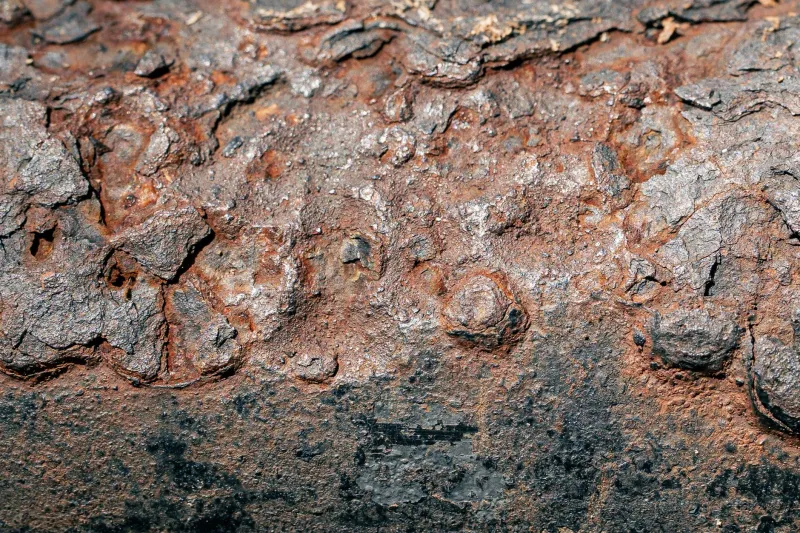
- Minor corrosion on visible pipes — that greenish tint on copper fittings or the rust staining around joints isn't cosmetic. It's a sign that deterioration is already in progress.
- Unexplained moisture or musty odors — inspectors flag this because it almost always means water is getting somewhere it shouldn't, and it's usually been happening for a while.
- Running toilets — dismissed constantly because hey, it still flushes. But a toilet that runs nonstop can waste tens of thousands of gallons of water a year and quietly inflate your utility bills.
Why Procrastination Makes Plumbing Problems Exponentially Worse
Here's the part that trips people up: plumbing damage doesn't progress at a steady rate. It accelerates.
A small pinhole leak in a pipe doesn't stay small. Water pressure works against the weakened spot constantly, and that tiny breach gets bigger over time. Meanwhile, the moisture it releases is feeding mold growth inside your walls, softening the wood framing around it, and potentially compromising your insulation.
What might have been a $200 pipe repair six months ago can realistically turn into a $4,000 remediation job once the drywall, framing, and mold situation get factored in.
Scranton's climate doesn't help. The freeze-thaw cycles every winter put extra stress on pipes that are already showing signs of wear. An inspector might flag a pipe as "showing early signs of corrosion" in October — and by February, that same pipe could split during a cold snap.
One Scranton homeowner learned this the hard way when a flagged issue near an exterior wall got pushed off through fall. By January, the pipe had burst during a cold stretch, and the repair bill — including water damage to the finished basement below — topped $11,000. The original fix would have run about $350.
The Psychology of Plumbing Denial
Plumbers around Scranton have a term for it — not officially, just in conversation. They call it "out of sight, out of mind" syndrome. And it's genuinely hard to fight.
When your roof is visibly sagging, you fix it. When your furnace dies, you replace it fast. But plumbing exists mostly behind walls and under floors. You interact with it through faucets and toilets, and as long as those are working, the brain files the whole system under "fine."
Inspection reports don't help themselves here, either. They're often dense, technical, and prioritized in a way that doesn't always communicate urgency effectively. A homeowner who isn't sure what "moderate corrosion on supply line fittings" actually means in practical terms might not realize they're looking at a ticking clock.
This is where connecting with a local Scranton plumber after an inspection makes a real difference. Having someone walk you through what the report actually means — in plain language, not inspection jargon — changes the calculus for a lot of homeowners.
Which Warning Signs Should Never Wait
Not every flagged item in an inspection report is a five-alarm emergency. Some things genuinely can be scheduled a few weeks out. But certain issues should go straight to the top of the list.
Any sign of active water intrusion. If moisture is already present, damage is already happening. Every day you wait, the scope of the problem grows.
Sewer line concerns. If an inspector flags potential issues with your main sewer line — tree root intrusion, bellying, or deteriorating pipe material — don't wait. A full sewer backup is one of the most expensive and disruptive plumbing disasters a homeowner can face.
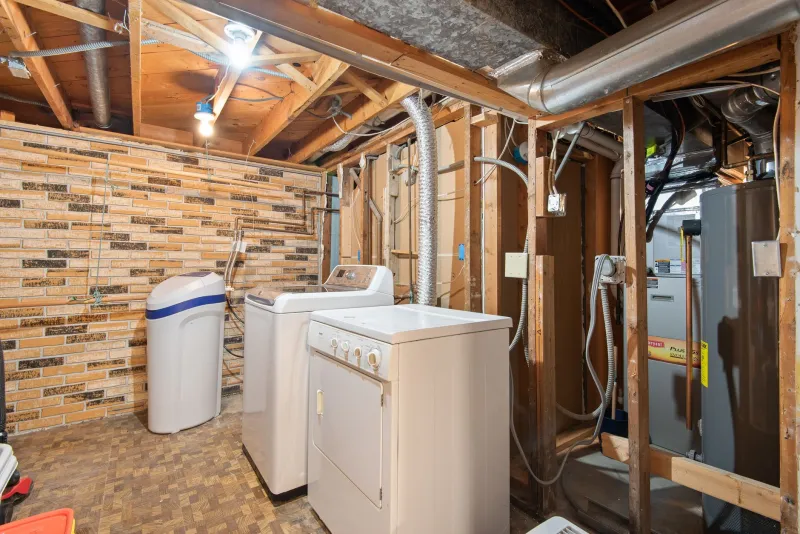
Water heater age or corrosion. Most water heaters have a lifespan of 8–12 years. If yours is in that range and showing rust or sediment buildup, a failure isn't a matter of if — it's when. And water heater failures often happen at the worst possible times.
Low water pressure with no obvious cause. This can point to a serious supply line issue or early pipe failure, especially in older Scranton homes with original plumbing still in place.
Getting Ahead of It Instead of Chasing It
The shift from reactive to proactive is genuinely one of the most financially smart moves a Scranton homeowner can make. Plumbing issues rarely get cheaper with time. They almost always get more complicated, more destructive, and more expensive.
If you've got an inspection report sitting in a drawer somewhere, dust it off. Look at what was flagged. If you're not sure what any of it means, call a local plumber and ask. Most will give you a straight answer about what's urgent and what can wait.
The goal isn't to spend money you don't need to spend — it's to spend the right money at the right time, before a manageable problem turns into a major one.
Scranton homes have character, history, and in many cases, plumbing that's seen a few decades of hard use. That's not a reason to panic — it's a reason to pay attention. The homeowners who come out ahead are the ones who treat an inspection report like the useful tool it actually is, not a piece of paper to file away and forget.