Bangs, Whistles, and Gurgles: What Your Scranton Home's Pipes Are Trying to Tell You
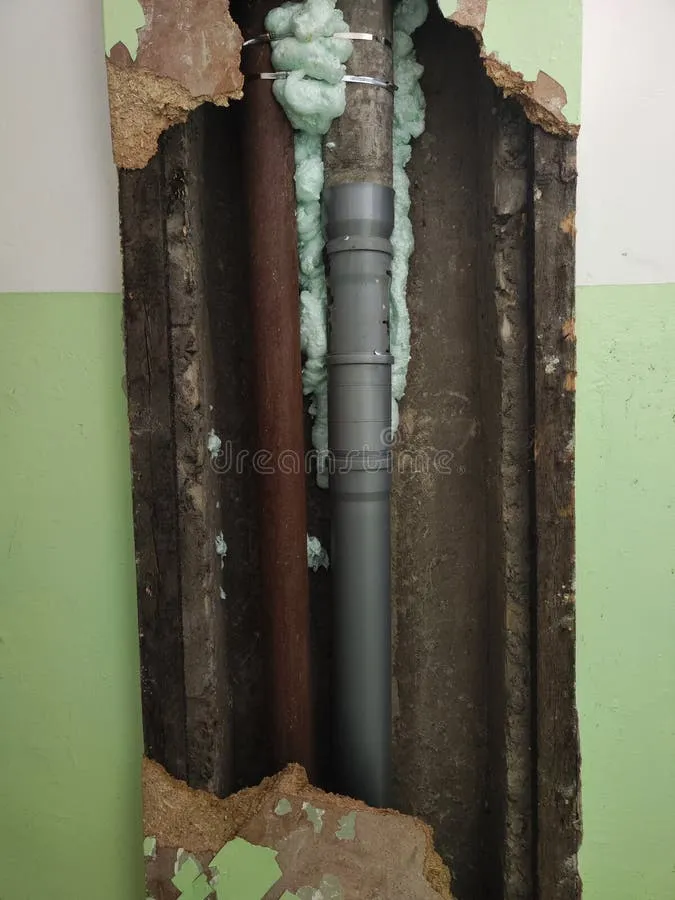
Photo: old residential pipes inside wall close up with noise vibration, via thumbs.dreamstime.com
It always happens in the middle of the night. The house is quiet, you're half asleep, and then — clunk. Or maybe a long, low whistle. Or that weird gurgling sound coming from somewhere behind the bathroom wall that you've been pretending not to hear for three weeks.
If you own a home in Scranton, you've probably had this experience more than once. And honestly? That's not a coincidence. Scranton's housing stock skews older — a lot of homes in neighborhoods like Green Ridge, South Side, and the Hill Section were built decades before modern plumbing standards existed. Those pipes have stories to tell. The trick is knowing whether the story ends with "totally fine" or "you really should have called someone sooner."
Let's break down the most common pipe noises, what's actually causing them, and when you need to stop Googling and start dialing.
The Loud Bang or Thud (Water Hammer)
This is the one that jolts you awake. A sudden, hard bang — sometimes a single thump, sometimes a rapid series — that seems to come from inside the walls whenever a faucet shuts off or an appliance like your washing machine finishes a cycle.
What you're hearing is called water hammer. When water flowing through a pipe gets cut off abruptly, the momentum has to go somewhere. It slams into the closed valve and sends a shockwave back through the pipe. The result is that satisfying — or terrifying — thud.
Older Scranton homes are especially prone to this because many of them were built before air chambers and pressure-absorbing devices were standard. Over time, those old-school air chambers (if they exist at all) can fill with water and stop working entirely.
Is it urgent? Not immediately dangerous, but don't ignore it long-term. Repeated water hammer puts real stress on your pipe joints and connections. Over time, it can loosen fittings and cause leaks — often in places you can't see. A plumber can install a water hammer arrestor to fix the problem cleanly.
High-Pitched Whistling or Squealing
A whistle coming from your pipes is almost always a pressure issue. When water is forced through a restricted opening — a partially closed valve, a worn washer in a faucet, or a section of pipe that's been narrowed by mineral buildup — it can produce that distinctive, high-pitched squeal.
Scranton's water is on the harder side, which means mineral deposits accumulate in pipes over time. In older galvanized steel pipes (very common in homes built before the 1970s), this buildup can get significant enough to seriously restrict flow. When water squeezes through those narrowed passages, you get noise.
Is it urgent? Depends on the source. A whistling faucet with a bad washer is an easy fix. But if the sound seems to come from inside the walls or from your main supply line, that's worth a professional look. Significant mineral buildup can eventually lead to low water pressure throughout the house, and in the worst cases, pipe failure.
Gurgling Drains
This one is easy to brush off — it's just a weird drain sound, right? Maybe. But gurgling coming from your sink, tub, or toilet is often a sign that something is interfering with your drain venting system.
Every drain in your home is connected to a vent pipe that runs up through the roof. Those vents allow air into the drainage system so water can flow freely. When a vent gets blocked — by debris, a bird's nest, or even ice buildup during a Scranton winter — drains start pulling air from wherever they can get it. That sucking of air through the water in your trap is exactly what causes that gurgling sound.
You might also hear gurgling if there's a partial clog developing somewhere downstream in your drain line. The water is fighting to get past an obstruction, and air is getting trapped in the process.
Is it urgent? Gurgling from one drain occasionally? Probably not a crisis. Gurgling from multiple drains at the same time, or gurgling accompanied by slow draining throughout the house? That points to a bigger issue — potentially a clog in your main sewer line. In Scranton's older neighborhoods, tree root intrusion into sewer lines is a real and common problem. That's a call-the-plumber situation, not a wait-and-see one.
Rattling or Vibrating Pipes
If it sounds like something is shaking loose inside your walls every time you run the water, the likely culprit is loose pipe straps or hangers. Pipes are supposed to be secured at regular intervals. When those fasteners loosen or fail — which happens naturally over decades in older homes — the pipes move around when water flows through them and vibrate against the framing or each other.
This is extremely common in Scranton homes that haven't had any plumbing work done in a long time. It's also more likely if you've recently had any work done that involved opening up walls, since that process can disturb existing pipe supports.
Is it urgent? The rattling itself isn't going to cause an emergency tonight. But unsecured pipes are more vulnerable to damage over time, and they can wear through insulation or rub against wood framing in ways that create problems down the line. It's a relatively simple fix for a plumber — and much cheaper to deal with before something actually breaks.
Ticking or Clicking Sounds
Here's one that surprises a lot of homeowners: a soft ticking or clicking noise that seems to follow hot water use. This is usually thermal expansion — your hot water pipes expanding slightly as they heat up and contracting as they cool. Metal ticks as it moves through pipe hangers or against structural elements.
In most cases, this is completely normal and harmless. It's more noticeable in homes with copper piping, which expands more noticeably with temperature changes.
Is it urgent? Usually no. But if the ticking is loud, persistent, or accompanied by any other symptoms like reduced hot water pressure or visible moisture, it's worth having someone take a look.
When in Doubt, Don't Wait
Here's the thing about plumbing noises in Scranton homes: the age of the housing stock means that a lot of these systems are operating closer to the edge than they would be in newer construction. A sound that might be a minor nuisance in a 10-year-old home could be a warning sign of a more fragile system in a 70-year-old one.
If a sound is new, getting louder, or showing up alongside other problems — low pressure, slow drains, discolored water — trust your gut. That's your house trying to tell you something, and it's usually cheaper to listen early than to deal with the consequences of ignoring it.
Need help figuring out what's going on with your pipes? Plumbers Scranton connects homeowners with experienced local plumbing contractors who know these older homes inside and out. Don't lose another night of sleep over it.