Spring Is Coming for Your Basement: How Scranton Homeowners Can Stay Ahead of Flooding Season
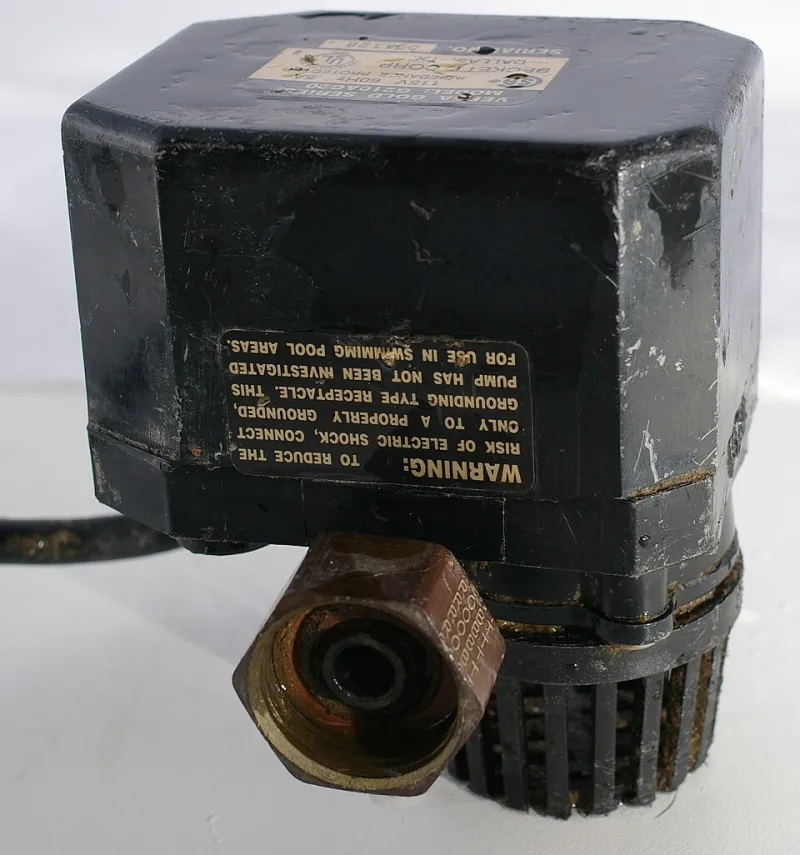
Photo: Hustvedt, CC BY-SA 3.0, via Wikimedia Commons
Scranton winters are no joke, and neither is what comes after them.
Once the snow starts melting and the March and April rains roll in, the ground around this city gets saturated fast. Add in the older infrastructure in a lot of Scranton neighborhoods, the heavy clay soil that doesn't drain quickly, and basements that were built in an era before modern waterproofing, and you've got a recipe for some very stressful spring mornings.
The good news? Most of the worst flooding scenarios are preventable — or at least manageable — if you know what to look for and when to call in a professional.
Why Scranton Specifically Has a Flooding Problem
This isn't a generic "spring flooding happens everywhere" situation. Scranton has some particular factors that make seasonal water management genuinely important for local homeowners.
First, the housing stock. A significant chunk of homes in Scranton were built before 1960, and many of those basements were designed for storage, not living space. Drainage systems were built to different standards, and decades of settling, tree root intrusion, and general wear have taken their toll.
Second, the geography. Scranton sits in a valley, and certain neighborhoods deal with runoff from higher ground after heavy rain events. When you get a serious downpour on top of already-saturated soil, the water has to go somewhere — and sometimes that somewhere is your basement.
Third, the sewer system. Parts of Scranton still have combined sewer systems, where stormwater and sanitary sewage share the same pipes. During heavy rain events, those systems can get overwhelmed, which is one of the main reasons sewer backups spike in spring.
Your Sump Pump: The First Line of Defense
If your home has a basement, there's a good chance it has a sump pump — or should. A functioning sump pump is what stands between a wet spring and a flooded basement, and it only works if it's actually maintained.
Here's the thing about sump pumps: they tend to sit quietly in a corner doing nothing for months, and then get called on to work hard during exactly the kind of conditions that reveal any mechanical weaknesses. Checking yours before the season hits is not optional.
What to do before spring:
- Test it manually. Pour a bucket of water into the sump pit and watch it kick on. If it doesn't activate, you've got a problem before the rain even starts.
- Check the float switch. This is the trigger that tells the pump to turn on. It can get stuck or tangled, especially if debris has settled in the pit.
- Look at the discharge line. Make sure it's clear and that it's directing water away from your foundation — not just to the side of your house where it'll drain right back in.
- Listen for unusual sounds. A grinding or rattling noise when the pump runs is a sign that the motor or impeller is struggling.
- Know how old it is. Sump pumps typically last 7 to 10 years. If yours is pushing that range, consider replacing it proactively rather than waiting for it to fail at 2 a.m. during a thunderstorm.
A battery backup system is also worth considering. Power outages and heavy rainstorms tend to happen at the same time, and a pump that can't run during an outage isn't much help.
Reading the Warning Signs of a Sewer Backup
Sewer backups are one of those plumbing problems that give you signals before they fully announce themselves — if you know what to look for.
The most common early warning signs include:
- Multiple drains slowing down at once. One slow drain is usually a localized clog. Several slow drains throughout the house at the same time often points to a mainline issue.
- Gurgling sounds from toilets or floor drains. That bubbling noise is air being displaced in the line — a sign that something is obstructing flow downstream.
- Water backing up in unexpected places. If flushing your toilet causes water to bubble up in a basement floor drain, that's a significant red flag.
- Sewage odors. Any smell of sewage inside the home, even faint, deserves immediate attention.
If you notice any combination of these, don't wait. A mainline backup that's caught early is a much simpler fix than one that's allowed to develop into a full basement sewage situation.
Foundation Drainage: The Bigger Picture
Sump pumps and sewer lines are the most talked-about spring flooding concerns, but foundation drainage often gets overlooked until something goes wrong.
Water intrusion through foundation walls usually comes from one of a few sources: poor grading around the home (where the ground slopes toward the foundation instead of away from it), clogged or failing gutters that dump water right at the base of the house, or deteriorated window wells that collect water and let it seep in.
Some of these are DIY-friendly fixes. Regrading the soil around your foundation, cleaning gutters, and clearing window well drains are all things a motivated homeowner can handle. But if you're seeing actual water coming through foundation cracks, or if your basement has a history of flooding despite your best efforts, that's a conversation for a professional plumber or waterproofing contractor.
The line between DIY and professional territory here is usually pretty clear: prevention and maintenance you can often handle yourself. Active water intrusion, structural drainage problems, and anything involving your main sewer line is a job for someone with the right tools and experience.
When to Call a Plumber (Don't Wait Too Long)
Spring plumbing emergencies in Scranton tend to cluster — a lot of people discover problems during the same stretch of rainy weather, which means plumbers get busy fast. If you call after the water is already in your basement, you might be waiting longer for help than you'd like.
The smarter move is to get a professional out before the season peaks. A licensed plumber can camera-inspect your main sewer line to check for root intrusion or damage, assess your sump pump and drainage setup, and flag any foundation drainage concerns that need to be addressed.
This kind of proactive visit is far less expensive than an emergency call — and far less stressful than dealing with a flooded basement while it's still raining outside.
A Quick Seasonal Checklist
Before spring gets going in earnest, run through this list:
- Test your sump pump and check the discharge line
- Inspect the sump pit for debris
- Confirm your battery backup is charged and functional
- Clean your gutters and make sure downspouts direct water away from the foundation
- Check the grading around your home's perimeter
- Watch for early signs of slow drains or gurgling
- Schedule a mainline camera inspection if you haven't had one recently or if you've had backup issues before
Scranton's spring season is beautiful — and it can also be brutal on your plumbing. A little preparation now is a lot cheaper than a cleanup bill later. If you're not sure where your home stands heading into the wet season, connecting with a local plumber for an assessment is the fastest way to find out.