Is Your Sump Pump Actually Ready for a Scranton Downpour — Or Just Pretending To Be?
When the Rain Comes Down Hard, Your Basement Finds Out the Truth
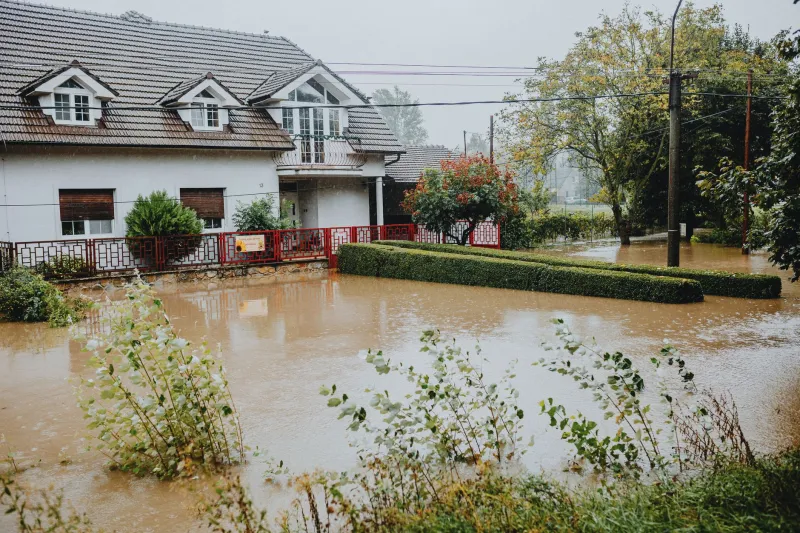
Scranton gets hit. Not always with dramatic hurricanes or headline-grabbing floods, but with the kind of persistent, heavy rainfall that quietly overwhelms drainage systems and sends water creeping across basement floors. The Lackawanna Valley's geography doesn't help — the area sits in a bowl surrounded by hills, and when the ground gets saturated (which happens faster here than homeowners often expect), all that water has to go somewhere.
For a lot of Scranton homes, that somewhere is the basement.
The sump pump is supposed to be the last line of defense. But here's the uncomfortable truth: a lot of the sump pumps sitting in Scranton basements right now are either too small for the job, installed incorrectly, or running on borrowed time. The homeowners who find this out during a calm, dry week are the lucky ones. Everyone else discovers it at 2 a.m. during a summer storm with four inches of standing water and a panic call to an emergency plumber.
Let's talk about how to not be that second group.
Why Scranton's Soil Makes Sump Pump Sizing a Real Conversation
Not every basement flooding problem is the same, and not every sump pump is built for the same conditions. Scranton sits on a mix of clay-heavy soils left behind by glacial activity, and clay is notoriously bad at draining water quickly. Instead of letting rainfall percolate down and away, the soil holds it near the surface, where it builds up hydrostatic pressure against your foundation walls and floor.
That means your sump pump isn't just dealing with water that fell directly into your sump pit — it's dealing with water that's been pushed there by pressure from all directions. Undersized pumps get overwhelmed fast.
A typical residential sump pump is rated by horsepower and gallons-per-hour (GPH) capacity. A 1/3 HP pump handles lighter-duty situations fine in drier climates or homes with minimal groundwater intrusion. But in a Scranton basement that sits in waterlogged clay soil? Many plumbers recommend stepping up to a 1/2 HP unit at minimum, and some homes with chronic water problems genuinely need a 3/4 HP pump or a two-pump system with a backup.
If your current pump was chosen because it was the cheapest option at the hardware store, there's a decent chance it's not sized for what your basement actually throws at it.
Installation Mistakes That Come Back to Bite You
Even a well-sized pump can fail if it wasn't installed correctly. This is one area where DIY installations often fall short — not because homeowners aren't capable, but because there are details that aren't obvious until something goes wrong.
A few of the most common installation problems local plumbers see in Scranton homes:
No check valve, or a check valve installed backward. Without a check valve on the discharge line, water can flow back into the pit after the pump shuts off, causing the pump to cycle constantly. That shortens its lifespan dramatically.
Discharge line that terminates too close to the foundation. If the water your pump pushes out doesn't travel far enough away from the house, it just soaks back into the soil and returns to your pit. The discharge should extend at least ten feet from the foundation, ideally directed toward a slope that carries it further away.
Pump sitting directly on the pit floor. Silt and debris collect at the bottom of sump pits over time. A pump resting on the floor can suck up that debris and clog the intake. It should sit on a small platform or brick to keep the intake elevated.
No backup power source. This one is huge. Scranton storms frequently knock out power, and a sump pump with no battery backup or water-powered backup system is completely useless the moment the lights go out — which is exactly when you need it most.
A professional plumber who knows what they're doing will catch all of these issues during installation. A rushed DIY job might miss two or three of them.
Signs Your Current Pump Is on the Way Out
Sump pumps don't last forever. The average lifespan is somewhere between seven and ten years, though pumps that run frequently — like the ones in Scranton basements — tend to wear out faster. Here's what to watch for:
- Strange noises. Rattling, grinding, or unusually loud operation often signals a worn impeller or damaged motor.
- Vibration during operation. Excessive vibration can mean the impeller is bent or debris has gotten inside.
- Pump runs constantly or cycles too frequently. This could indicate a stuck float switch, a check valve problem, or a pump that's simply underpowered for the water volume it's handling.
- Visible rust or corrosion. Surface rust on the exterior might be cosmetic, but corrosion near the motor or electrical connections is a red flag.
- The pump ran during the last big storm and your basement still got wet. This is the clearest sign of all — the system failed at its one job.
If your pump is more than eight years old and you haven't had it inspected, that's worth addressing before the next heavy rainfall season hits.
What a Maintenance Routine Actually Looks Like
Sump pump maintenance isn't complicated, but it does need to happen. A few things every Scranton homeowner should be doing:
Test it regularly. Pour a bucket of water slowly into the pit and watch the pump kick on. Make sure it activates at the right water level and shuts off cleanly.
Clean the pit annually. Remove the pump, clear out any debris or sediment, and check the inlet screen for clogs.
Check the discharge line. Make sure it's clear of obstructions and that the outdoor termination point isn't blocked by leaves, ice (in winter), or anything else.
Inspect the float switch. The float should move freely without catching on the pump or pit walls.
Beyond the DIY checklist, having a plumber do a full inspection every few years makes sense — especially if your basement has had any water issues. They can assess the pump's condition, check the discharge setup, and let you know whether your current system is actually matched to your home's needs.
The Backup Pump Question
If you've never thought about a backup sump pump, now is a good time to start. Battery backup systems kick in automatically when the primary pump fails or loses power. Water-powered backup pumps use municipal water pressure to operate, which means they work even during extended outages.
For Scranton homeowners who've dealt with basement flooding before — or who have finished basements, valuable storage, or HVAC equipment down there — a backup system isn't overkill. It's just smart.
A local plumber can help you figure out which backup option makes sense for your setup and whether your current pit and discharge configuration can support a second pump.
Don't Wait for the Storm to Tell You
The worst time to find out your sump pump isn't up to the job is during an active downpour. Scranton's rainfall patterns, soil conditions, and older housing stock create a real and consistent risk for basement flooding — and hope is not a drainage strategy.
If you're not sure whether your current system is sized correctly, installed properly, or still has years of reliable service left, connecting with a professional plumber is the straightforward next step. At Plumbers Scranton, we help homeowners find local contractors who know the area, know the conditions, and can give you an honest assessment of where you stand before the next storm makes that decision for you.