What Home Inspectors Actually Check When It Comes to Plumbing in Scranton
Scranton's housing stock is one of its charms. Rowhomes, colonials, and century-old Victorians line neighborhoods from Green Ridge to South Side, and each one tells a story. Unfortunately, some of those stories involve galvanized pipes that should've been replaced twenty years ago, water heaters held together by optimism, and drain lines that slope the wrong direction.
Whether you're getting ready to list your home or you're about to make an offer on a place that looks great on the surface, understanding what a home inspector zeroes in on — especially when it comes to plumbing — can save you from some seriously unpleasant surprises.
Here's a straight look at what inspectors are actually checking, and why getting a plumber through the door before inspection day is one of the smartest moves a Scranton homeowner can make.
The Water Heater Gets Scrutinized More Than You'd Think
Inspectors spend a lot of time around water heaters, and for good reason. They're looking at age first — most units have a lifespan of 8 to 12 years, and anything pushing past that range is going to get flagged. In Scranton, where hard water quietly accelerates sediment buildup inside the tank, water heaters often wear out faster than the national average.
Beyond age, inspectors check for proper venting (especially critical for gas units), functioning pressure relief valves, signs of corrosion around fittings, and whether the unit is up to current code. A missing drip leg on a gas line or an improperly installed expansion tank on a closed system? Those are automatic write-ups that can complicate a sale fast.
Pipe Material Is a Big Deal in Older Scranton Homes
This is where Scranton's age works against some homeowners. Inspectors are trained to identify pipe materials on sight, and certain materials trigger immediate concern.
Galvanized steel — common in homes built before the 1960s — corrodes from the inside out. By the time you notice reduced water pressure or rust-colored water, the interior of the pipe may already be severely compromised. Inspectors flag it every time.
Polybutylene (gray plastic pipe used in the '70s through mid-'90s) is another one that raises eyebrows. It was widely recalled due to failure rates, and if an inspector spots it, expect that note to carry serious weight with buyers and lenders.
Lead service lines are a specific concern in Scranton given the city's infrastructure history. While the lines running inside your home may have been updated, the connection from the street to your property is sometimes still the original lead. Inspectors note this, and buyers — especially those with young families — take it seriously.
Drain Lines and Waste Pipes Get Tested, Not Just Eyeballed
Inspectors don't just look at pipes — they run water. They're checking that every drain flows properly, that there's no standing water in drain pans, and that waste pipes slope correctly toward the main line. Even a slight negative pitch on a drain line can cause chronic clogs and backups.
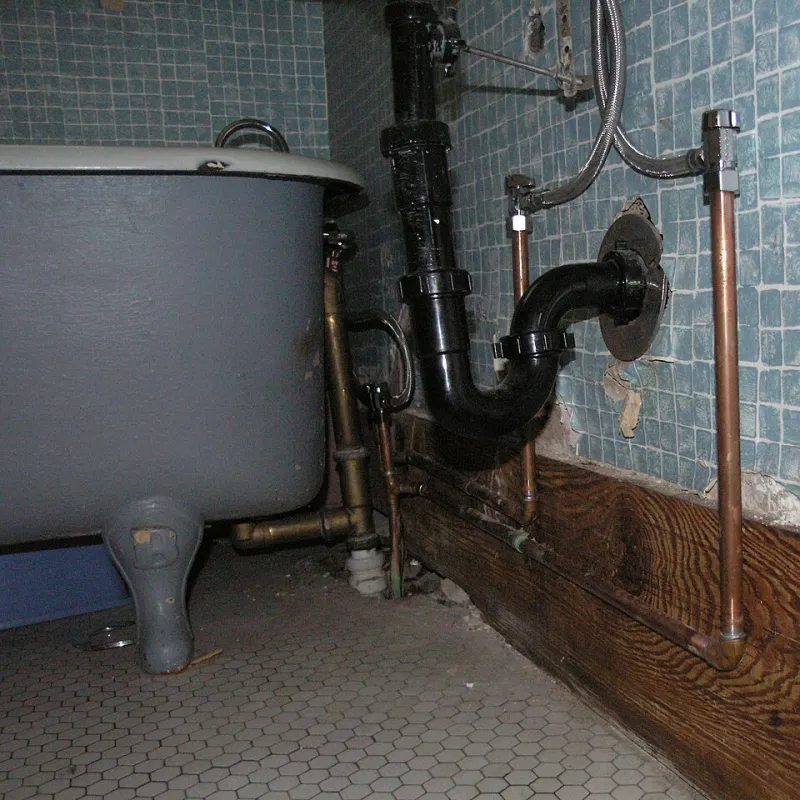
In older Scranton homes with basements, inspectors also look hard at the condition of cast iron drain stacks. Cast iron has a solid reputation, but it does corrode over decades, and inspectors look for rust staining, cracks, or sections that have been improperly patched with mismatched materials.
If the home has a sewer cleanout that's accessible, some inspectors will note whether a camera inspection of the main line is advisable — particularly in neighborhoods where clay or Orangeburg sewer pipes are still in the ground.
Water Pressure and Supply Lines
Inspectors test water pressure at multiple fixtures. The acceptable range is generally 40 to 80 PSI, and anything outside that window gets documented. High pressure sounds like a good problem to have, but it wears out fixtures, stresses joints, and can cause supply lines to fail unexpectedly. Low pressure suggests blockage, a failing pressure regulator, or corroded pipes restricting flow.
They're also checking supply line conditions under sinks and behind toilets. Those braided stainless lines look fine until they don't — and when a supply line fails, it doesn't trickle. It floods. Inspectors note lines that appear old, kinked, or improperly connected.
Fixtures, Toilets, and Shut-Off Valves
Every toilet gets flushed. Every faucet gets turned on. Inspectors are looking for leaks at the base of toilets (a sign of a failed wax ring), slow drains, running toilets, dripping faucets, and any signs of water staining around fixtures that suggest past or ongoing leaks.
Shut-off valves — both at individual fixtures and at the main — get tested too. In older Scranton homes, these valves are sometimes so corroded they can't be turned without breaking. That's a problem, because if a pipe bursts and you can't shut off the water, a bad situation becomes catastrophic fast.
The Sump Pump Situation
Basements in Scranton are a reality of life, and so are sump pumps. Inspectors check whether a sump pit is present, whether the pump runs, and whether the discharge line routes water properly away from the foundation. A sump pump that runs into the sanitary sewer line — which some older installations do — is actually a code violation in Pennsylvania. Inspectors catch that.
They also note whether there's a battery backup system. Given how frequently Scranton gets hammered with rain, especially in spring, a sump pump without a backup is a risk that buyers and insurers both take note of.
What Sellers Should Do Before the Inspector Arrives
If you're planning to sell, the worst thing you can do is wait for the inspection report to find out what's wrong. By that point, you're negotiating repairs under pressure, often at inflated costs because buyers want licensed contractors and quick turnarounds.
Getting a plumber in beforehand — not to do a full renovation, but to do a honest walkthrough — gives you time and options. A good plumber will catch the same things an inspector will: the corroded valve, the water heater that's one winter away from failure, the slow drain that points to something worse downstream.
Fixing issues proactively means you control the timeline and the cost. It also means you go into the sale with a cleaner inspection report, which builds buyer confidence and keeps deals from falling apart at the finish line.
What Buyers Should Know Before Making an Offer
If you're buying in Scranton — especially in a neighborhood with older housing stock — don't skip the plumbing evaluation. A general home inspector does a solid job, but they're not plumbers. For homes built before 1970, it's worth asking your inspector specifically about pipe materials and requesting a sewer scope if there's any doubt about the main line condition.
If the inspection does turn up plumbing concerns, don't panic. Many issues are fixable, and knowing about them before closing gives you negotiating power. What you want to avoid is discovering them six months after you've moved in.
Plumbers Scranton connects homeowners with experienced local plumbers who know exactly what these older homes tend to hide. Whether you're prepping for a sale or doing your due diligence before buying, getting a professional set of eyes on the plumbing is one of the most practical steps you can take.