If Your Scranton Home Was Built Before 1980, There's a Good Chance Your Plumbing Is Already Breaking the Law
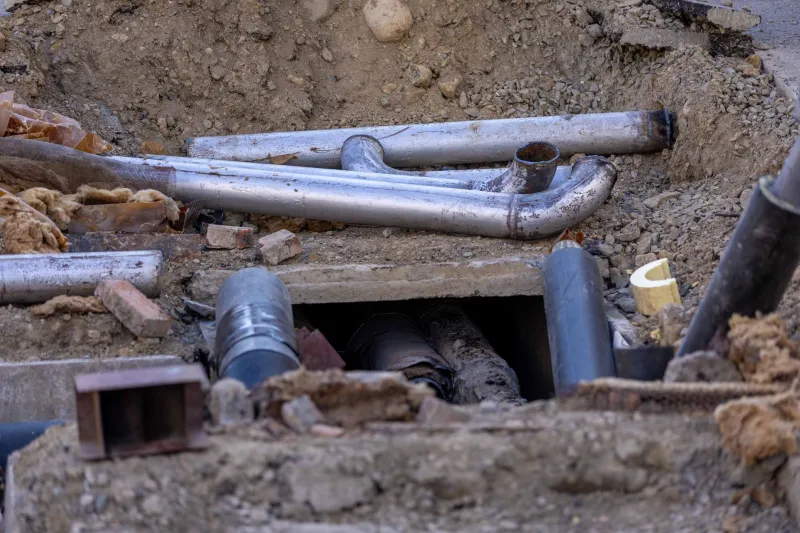
Scranton's older neighborhoods have a lot going for them. Solid construction, character-rich architecture, tree-lined streets, and the kind of community feel that newer developments just can't fake. But underneath all of that charm, there's a problem that a surprising number of homeowners don't find out about until the worst possible moment — their plumbing is out of code.
Not because anyone did anything wrong. Not because a previous owner cut corners (well, sometimes that too). But because the rules changed, and old pipes don't update themselves.
Why Plumbing Codes Change in the First Place
Building codes aren't static. They evolve as we learn more about health risks, material failures, and safety standards. What was considered perfectly acceptable in 1955 or 1972 might now be flagged as a violation — not because it's necessarily falling apart, but because we know better now.
Lead service lines are the most obvious example. For decades, lead was a standard material for water supply lines. It wasn't until the 1986 amendments to the Safe Drinking Water Act that lead pipes were effectively banned from new construction. But that ban didn't reach back and replace the millions of lead lines already in the ground — including plenty in Scranton.
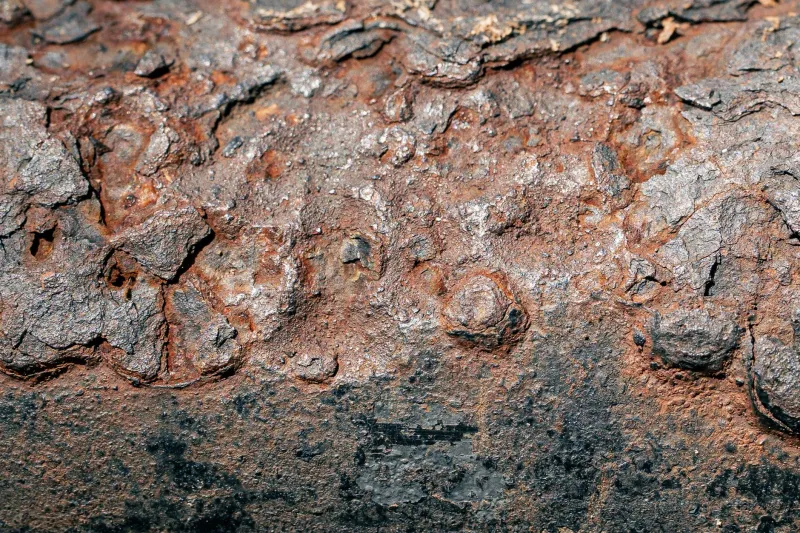
Similarly, galvanized steel pipes were common through the mid-20th century. They corrode from the inside out, restricting water flow and leaching rust into your water supply. Modern code doesn't allow them in new installations, but they're still sitting in walls and under floors across the city's older housing stock.
Vent systems, drain slopes, trap configurations — all of these have standards that have been updated over the years. If your home predates those updates, it may be non-compliant even if nothing is visibly broken.
Which Scranton Neighborhoods Are Most at Risk
The short answer: most of them. Scranton's housing stock skews old. Neighborhoods like Green Ridge, West Side, South Side, and parts of North Scranton have significant concentrations of homes built before World War II. The Hill Section, Providence Square, and Dunmore's older blocks are in similar shape.
Homes built between the 1900s and the 1940s are most likely to have original cast iron drain lines, lead supply pipes, and venting systems that don't meet current standards. These aren't just code issues — they're functional concerns. Cast iron corrodes. Lead is a health hazard. Old venting setups can allow sewer gases into living spaces.
Homes from the 1950s through the 1970s often have galvanized steel supply lines, early PVC that doesn't meet current pressure or heat ratings, and drain configurations that wouldn't pass a modern inspection. In some cases, additions or basement conversions done during this era introduced amateur plumbing work that was never permitted or inspected.
The 1970s also brought a brief period where polybutylene pipe was used in some homes — a material that was later found to be prone to cracking and was phased out by the mid-1990s. If your home was built or renovated between roughly 1975 and 1995, it's worth asking a plumber whether any polybutylene is still in your system.
When Does This Actually Become a Problem?
Here's the honest truth: a lot of homeowners go years without running into any visible consequences from out-of-code plumbing. The pipes work, the water runs, and nobody shows up at the door with a violation notice.
But there are three situations where out-of-code plumbing stops being a background issue and becomes an urgent one.
You're selling your home. Buyers in today's market are getting more thorough inspections, and their inspectors know what to look for. Lead lines, galvanized pipe, improper venting — these get flagged. Once they're flagged, you're either negotiating a price reduction, agreeing to fix it before closing, or watching the deal fall apart. None of those are good options when you're already emotionally and financially committed to the sale.
You're pulling a permit for a renovation. This is the one that catches people off guard. You decide to remodel your bathroom or finish your basement. You pull a permit like you're supposed to. And then the inspector shows up and realizes that the existing plumbing connected to your project doesn't meet current code. Suddenly your bathroom remodel includes a full replumbing of a section of your home. The scope — and the cost — just doubled.
Something fails. Out-of-code doesn't always mean immediately dangerous, but it does correlate with older materials that are more likely to fail. A corroded galvanized pipe that bursts, a deteriorated lead joint that starts leaking, a cast iron drain that collapses — these are expensive emergencies. And depending on how your homeowner's insurance policy is written, long-term deterioration may not be covered the way a sudden failure would be.
What Homeowners Should Actually Do
You don't need to panic, but you do need a plan.
Start with a plumbing assessment. A licensed Scranton plumber who's familiar with the city's older housing stock can walk through your home, identify what materials are in use, and tell you honestly what's up to code and what isn't. This isn't about selling you a full replumb — it's about knowing what you're working with.
If you have lead service lines, that's worth addressing sooner rather than later, both for health reasons and because Scranton has been part of broader state and federal conversations about lead pipe replacement. There may be assistance programs available — worth asking about.
If you're planning any renovation in the next few years, get the plumbing assessment done before you finalize your project scope. It's much easier to budget for code compliance when you're already planning work than to absorb it as a surprise mid-project.
And if you're thinking about selling in the next year or two, a pre-listing plumbing inspection is one of the smartest things you can do. Finding out about code issues on your own timeline — rather than during a buyer's inspection — gives you options.
The Neighborhood You Love Doesn't Have to Be a Liability
Older Scranton homes aren't the problem. Outdated plumbing that nobody's looked at in decades is the problem. And it's a solvable one.
The homeowners who end up in the worst situations are the ones who knew something was probably off but kept putting off the call. The ones who do fine are usually the ones who got ahead of it — found a trusted local plumber, got a straight answer about what needed attention, and dealt with it on their own terms.
If your home is pre-1980 and you haven't had a plumber assess the system in the last several years, that call is overdue. Plumbers Scranton connects homeowners across the city with licensed contractors who know these neighborhoods, know these houses, and can give you an honest read on where you stand.